Welcome to San Jose
Occidental Mindoro - More Than a Paradise
Occidental Mindoro - More Than a Paradise
Explore the rich cultural heritage, stunning landscapes, and authentic local delicacies of San Jose. Your gateway to unforgettable experiences and hidden gems.
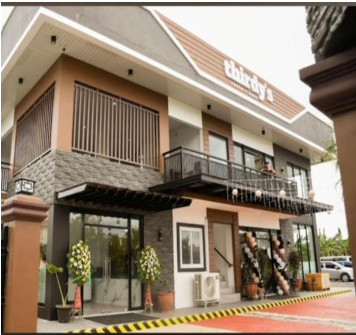
Thirdy’s Resto + Cafe is a family-owned restaurant operated by the JADE Family Focal Corporation, located at Purok Rosal, Aurelio Subdivision, Brgy. Pag-asa, San Jose, Occidental Mindoro. Established in 2024, the restaurant was created to provide a welcoming space where good food brings people together, combining tradition with contemporary Filipino dining. Operating daily from 10:00 AM to 10:00 PM, Thirdy’s Resto + Cafe serves an average of 51 to 100 customers per day. The restaurant offers a wide variety of dishes, including Filipino staples, local Mindoro specialties, seafood, snacks, and merienda items. Best-selling dishes include Alfredo Pasta, Baby Back Ribs, Liempo, Sisig, Beef Pepper Steak, Iced Coffee, Frappe, and Longsilog. A highlight of the restaurant is its offering of local or traditional delicacies, including San Jose, Occidental Mindoro Longganisa, Tocino, and Tapa. The Longganisa and Tocino recipes are considered the oldest or heirloom dishes, tracing their flavors back to 1989—a family-crafted blend passed down through generations, now proudly served to customers at Thirdy’s Resto + Cafe. Ingredients are sourced from the public market, local farmers, fisherfolk, and trusted suppliers to ensure freshness and authenticity. Meals are priced between ₱101–₱200 and above ₱200, depending on the dish. The restaurant faces challenges such as high ingredient costs, limited customers, and competition, which it manages through quality preparation and a welcoming dining experience. Thirdy’s Resto + Cafe is willing to be included in local food maps or tourism guides, contributing to San Jose’s culinary scene. With its blend of traditional flavors and modern dishes, the restaurant embodies a family tradition of hospitality, quality, and community-centered dining.
⭐ Leave Review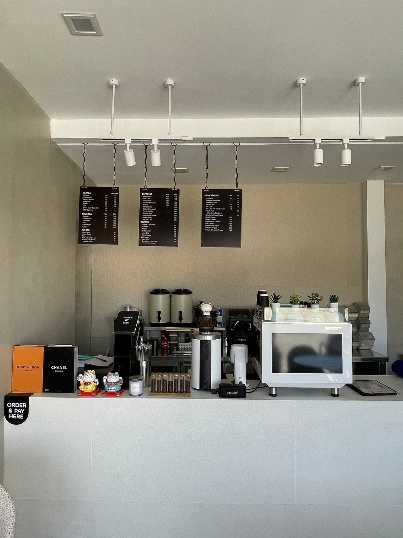
Pamper Platex Cafe & Bistro is a culinary establishment owned by Nikka Allegro Mendoza, located along Ubas Road, San Jose, Occidental Mindoro. Originally starting as a car wash business, the venture evolved into a food-focused establishment after customers began requesting snacks and meals while waiting for their vehicles. With careful consideration and growing popularity, the business fully transitioned into a restaurant and cafe, focusing solely on food and dining experiences. Operating 12 hours a day, seven days a week, Pamper Platex serves an average of 51 to 100 customers daily. The menu features Filipino dishes, local Mindoro specialties, seafood, snacks, merienda items, and desserts. Best-selling dishes include sizzling meals, while local delicacies such as Lumpiang Shanghai are also offered. The restaurant’s oldest or heirloom dish is a family recipe for burger patties, which has remained a favorite over time. Ingredients are sourced from the public market and trusted suppliers to ensure quality and freshness. Meals are priced between ₱101–₱200 and above, depending on the dish. The restaurant faces challenges such as limited customers at times and competition from other food establishments, but it continues to attract diners through its variety of offerings and reputation for quality. Pamper Platex Cafe & Bistro is willing to be included in local food maps or tourism guides, reflecting its role in the culinary landscape of San Jose. The restaurant’s unique history—from car wash to popular dining spot—adds character to its story, showing innovation and responsiveness to customer needs while establishing a vibrant and welcoming food destination.
⭐ Leave Review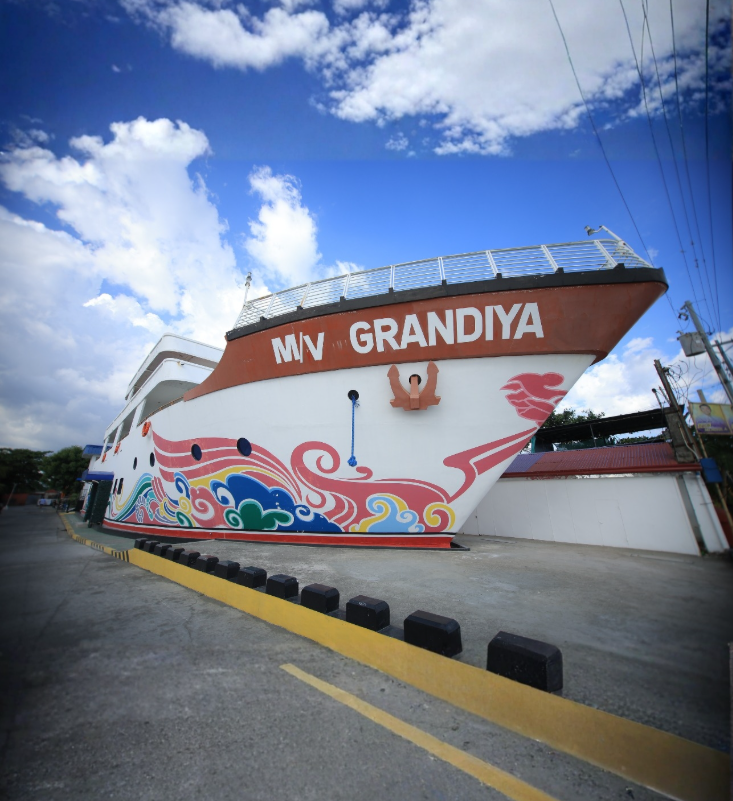
Grandiya Venue & Restaurant is a dining and event establishment owned by Mary Ann Absalud, located in San Roque, Aroma Center, San Jose, Occidental Mindoro. Established in 2018, Grandiya was founded with the vision of creating a space where meaningful moments and celebrations could be shared in warmth and comfort. Its name, derived from “Grand Idea,” reflects the owner’s ambition to combine thoughtful design, heartfelt tradition, and excellent hospitality. Originally, the structure was envisioned to resemble an airplane due to its proximity to the airport. However, the design was reimagined to resemble a ship, symbolizing a steady journey and a welcoming space for shared experiences, particularly being close to the ocean. This unique design sets Grandiya apart as a venue that embodies both creativity and purpose. Grandiya operates daily from 10:00 AM to 9:00 PM and serves an average of 100 customers per day. The restaurant offers a diverse menu featuring Filipino dishes, local Mindoro food, seafood, snacks, merienda items, and desserts. Some of the best-selling dishes include Chopsuey, Beef Broccoli, Crispy Pata, Pancit, Stuffed Squid, Sinigang, and Clubhouse. Many of the dishes and signature sauces are heirloom recipes, passed down through the owner’s family, carrying with them stories of tradition, home, and care. Ingredients are sourced from public markets, local farmers, fisherfolk, and suppliers to ensure quality and authenticity. Meals are priced above ₱200, reflecting the premium ingredients and meticulous preparation. One of the main challenges faced by the restaurant is the high cost of ingredients, which the team manages while maintaining consistency and excellence. Grandiya also functions as a venue for families, corporate events, and milestones, making it more than just a restaurant—it is a place where memories are made. Monthly food tastings and careful attention to guest experience ensure that the menu evolves thoughtfully while maintaining high standards. The establishment is willing to be included in a local food map or tourism guide, aiming to showcase its unique culinary offerings and the heartfelt experience it provides. Grandiya Venue & Restaurant stands as a testament to the idea that genuine hospitality, creative design, and tradition can come together to create a memorable space for food, celebrations, and lasting memories.
⭐ Leave Review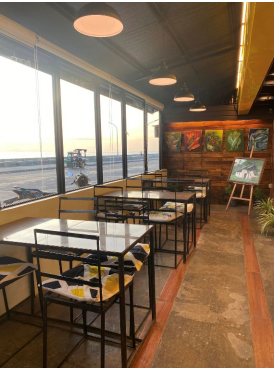
Galleria Pizza House is a restaurant owned by Jean Kristel Onal Villaroza, located at San Roque, Aroma Beach, San Jose, Occidental Mindoro. The restaurant specializes in snacks and merienda items, with pizza as its signature and best-selling dish, which is also considered its oldest or heirloom offering. Operating for 12 hours daily, Galleria Pizza House serves around 20 customers per day, providing freshly prepared pizzas in a casual and welcoming environment. Ingredients are primarily sourced from the public market to ensure quality and freshness, with meals priced above ₱200. One of the main challenges faced by the restaurant is the high cost of ingredients, which the owner manages carefully to maintain both affordability and quality. Despite this, Galleria Pizza House remains committed to serving delicious, well-crafted pizzas to its customers. The restaurant is willing to be included in a local food map or tourism guide, aiming to attract more visitors and promote its offerings to both locals and tourists. Through dedication to its craft, Galleria Pizza House continues to provide a tasty and memorable dining experience in San Jose, Occidental Mindoro.
⭐ Leave Review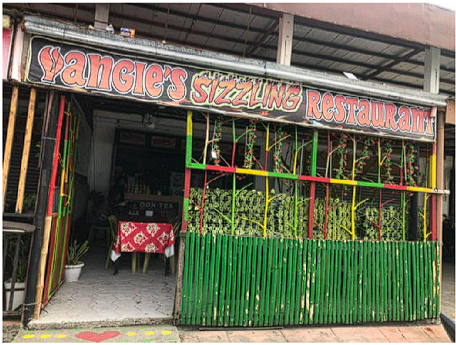
Sizzling @Restaurant is a Filipino restaurant owned by Vangie A. Matias, located at San Roque, Aroma Beach, San Jose, Occidental Mindoro. Established in 2025, the restaurant was created to offer locals and tourists a place to enjoy flavorful Filipino dishes in a relaxed seaside setting. Operating for 15 hours daily, the restaurant serves around 20 customers per day. The menu features a variety of Filipino dishes and snacks or merienda items, with Sizzling Sisig being the best-selling dish. The restaurant also offers local delicacies such as Chicken Inasal, providing customers with authentic regional flavors. Although it does not have an heirloom or oldest dish, each menu item is carefully prepared to highlight traditional Filipino tastes. Ingredients are primarily sourced from the public market to ensure freshness and quality. Meals are priced above ₱200, reflecting the quality of ingredients and preparation. One of the main challenges the restaurant faces is a limited customer base, which the owner continues to address through quality service and word-of-mouth promotion. Sizzling @Restaurant is willing to be included in a local food map or tourism guide, as it aims to attract more visitors and showcase Filipino cuisine in San Jose. Through dedication to cooking and customer satisfaction, the restaurant continues to grow as a small but notable part of the local food scene.
⭐ Leave Review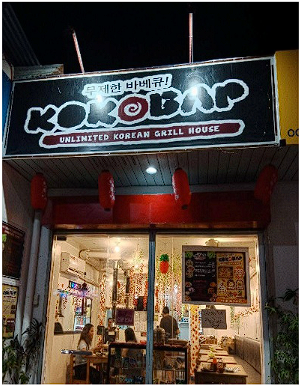
Kokobap Korean Grill House is a specialty restaurant owned by Glenn Mark C. Rafael, located along Liboro Street, Brgy. 5, San Jose, Occidental Mindoro. Established in 2016, the restaurant has become known for introducing the Korean-style dining experience to the local community, particularly its all-time favorite, Unlimited Samgyupsal. The restaurant operates daily from 9:30 AM to 9:30 PM, serving an average of 20 to 50 customers per day. Kokobap Korean Grill House focuses primarily on seafood and Korean- inspired grilled dishes. Its signature offering, Unlimited Samgyupsal, has become the main attraction, appealing to diners who enjoy interactive, grilled meals in a casual setting. The average price per meal ranges from ₱101 to ₱200, ensuring a reasonably priced Korean dining experience for families, friends, and small groups. Ingredients are mainly sourced from the public market to maintain freshness and quality. One of the challenges the restaurant faces is a limited number of customers, which the owner continues to address through marketing and community engagement. The restaurant has an interesting history. The name “Kokobap” was originally given by its former owner, Chinese businessman Bryan Liboro. In 2020, the restaurant was sold to its current owner, Glenn Mark C. Rafael, a Filipino citizen. Kokobap proudly holds the distinction of being the first restaurant in San Jose to offer unlimited samgyupsal, making it a pioneer in bringing authentic Korean grill culture to the area. Kokobap Korean Grill House is willing to be included in local food maps or tourism guides, aiming to attract more diners and further establish its presence in San Jose’s growing food scene. Through innovation and dedication to quality, the restaurant continues to provide a unique dining experience, blending international flavors with local hospitality.
⭐ Leave Review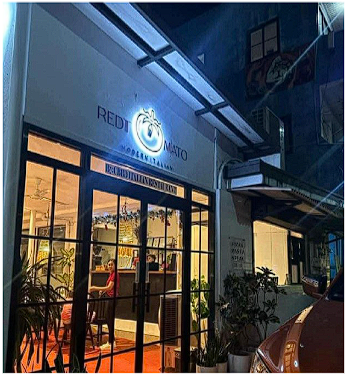
CBBD Italian Restaurant is a modern dining establishment owned by Neil Jude G. Cruz, located at Kalye Burgos Street, Brgy. Poblacion 1, San Jose, Occidental Mindoro. Established in 2023, the restaurant offers a blend of Filipino and Italian-inspired dishes, featuring seafood, desserts, and classic favorites. Operating daily from 10:00 AM to 9:00 PM, CBBD Italian Restaurant serves fewer than 20 customers per day, focusing on quality, freshly prepared meals in a cozy setting. The restaurant’s best-selling dishes include Baby Back Ribs, Pizza, Pasta, and Steak, with Pizza recognized as its oldest or heirloom dish. The menu emphasizes premium ingredients sourced from the public market, local farmers and fisherfolks, and trusted suppliers, with meals priced above ₱200. The restaurant traces its roots back to 2016, when the owner’s older sister, Ma’am Jade Cruz, founded a small branch of Red Tomato in Roxas, Oriental Mindoro. Inspired by her culinary passion and vision, she meticulously learned Italian cuisine and created the framework for what would become a growing family legacy. Through dedication, hard work, and calculated risks, the family expanded Red Tomato into multiple successful branches across Roxas, San Jose Occidental Mindoro, Calapan City, Palawan, and Quezon City. CBBD Italian Restaurant continues this legacy, combining the family’s experience with a passion for Italian and Filipino flavors. Despite challenges such as high ingredient costs, the restaurant remains committed to providing high-quality meals and exceptional dining experiences. The establishment is also willing to be included in a local food map or tourism guide, contributing to San Jose’s growing culinary scene. Through vision, perseverance, and love for the craft, CBBD Italian Restaurant represents the evolution of a family tradition, proving that a small beginning can grow into something remarkable in the culinary world.
⭐ Leave Review
4M Goto Mami Restaurant is a long-standing Filipino restaurant owned by Mario Dinglasan, located at 3kids Building, Lorenz Jaena Street, Brgy. Poblacion 6, San Jose, Occidental Mindoro. Established on January 23, 1989, the restaurant has served the community for decades, becoming a trusted spot for affordable and comforting Filipino meals. Operating daily from 7:30 AM to 6:00 PM, 4M Goto Mami Restaurant caters to an average of 51 to 100 customers each day. Its long history and consistent quality have helped it maintain a steady customer base over the years. The restaurant specializes in Filipino dishes and snacks, with best-selling items including Siopao, Palabok, and Sotanghon. These dishes are loved by customers for their authentic flavors, generous portions, and comforting taste. While the restaurant does not specifically list heirloom or traditional delicacies, its decades of operation reflect a commitment to serving classic Filipino favorites. 4M Goto Mami Restaurant sources ingredients from trusted suppliers and local markets to ensure freshness and quality in every dish. Meals are priced affordably, making the restaurant accessible to students, workers, and families alike. Over the years, the restaurant has faced common challenges such as managing ingredient costs and maintaining consistent service. Despite these, it continues to operate successfully, relying on its reputation, loyal customer base, and dedication to providing satisfying Filipino food. As a long-standing food establishment in San Jose, 4M Goto Mami Restaurant represents both tradition and consistency in the local culinary scene. Its willingness to participate in food maps or tourism guides could further highlight its contribution to the region’s rich food culture.
⭐ Leave Review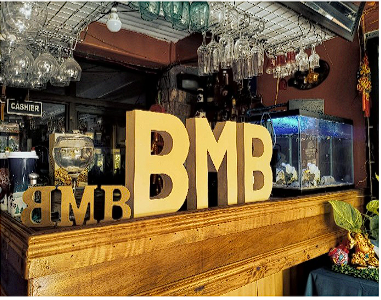
BMB Resto Bar is a restaurant owned by Bon Gabrielle M. Bonilla, located along Mabini Street, San Jose, Occidental Mindoro. Established in 2016, the restaurant was built from a simple yet meaningful vision—to create a dining space that offers flavorful food in a cozy and welcoming atmosphere. The idea of putting up the restaurant originally came from Romanito Bonilla, the husband of Dolce Bonilla. Having worked in a restaurant abroad, he gained valuable experience and inspiration that later became the foundation of the family business. The location itself was once a garden, but with determination and creativity, the family transformed it into what is now BMB Resto Bar. The restaurant operates from Monday to Sunday, 5:00 PM to 9:30 PM, mainly serving dinner and evening diners. It caters to fewer than 20 customers per day, allowing the owners to focus on quality preparation and attentive service. BMB Resto Bar offers Filipino dishes and snacks or merienda options, with Ribs and Chicken as best-selling items. One of the restaurant’s pride dishes is the Grilled Chicken with sauce, considered its heirloom specialty. The grilled chicken recipe was originally created by Mr. Romanito Bonilla and later passed down to his son, the current owner. What makes the dish stand out is its special sauce—an original recipe developed by the owner. The unique flavor of this sauce is believed to be the reason why customers keep coming back, as it gives the grilled chicken a distinct and memorable taste. The restaurant also offers local or traditional delicacies, further highlighting Filipino flavors. Ingredients are mainly sourced from the public market to ensure freshness. Meals are priced between ₱101 to ₱200, reflecting the quality of ingredients and preparation. One of the main challenges faced by the restaurant is the limited number of customers, but despite this, the family remains committed to maintaining their standards and continuing the legacy of their signature dishes.
⭐ Leave Review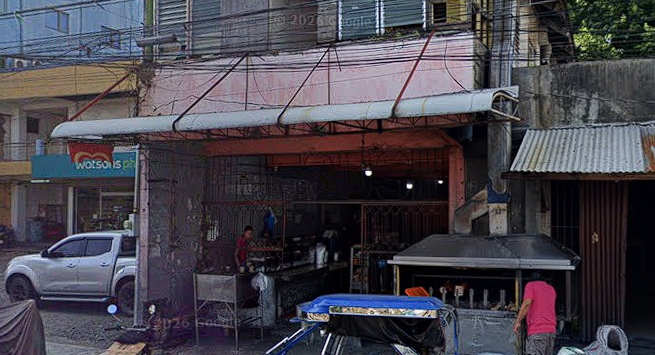
Macky’s Restaurant is a well-established dining destination owned by Macario Dela Cruz, located at Poblacion 1, Rizal Street, San Jose, Occidental Mindoro. Founded in 2007, the restaurant has been serving the community for many years, earning a strong reputation for its flavorful Filipino dishes and warm hospitality. Operating seven days a week for 15 hours daily, Macky’s Restaurant caters to more than 100 customers each day. Its long operating hours allow it to serve a wide range of customers, including families, workers, students, and visitors looking for satisfying meals at any time of the day. The restaurant offers a variety of Filipino dishes, local Mindoro specialties, and snacks or merienda options. Its best-selling dish is Chicken Lechon, which is also considered its heirloom specialty. The lechon is known for its crispy skin and tender, juicy meat, making it a favorite choice for regular diners and special occasions. Although the restaurant does not specifically offer traditional delicacies, it takes pride in serving well-loved Filipino comfort food that reflects the rich culinary culture of the region. Since its establishment in 2007, Macky’s Restaurant has continued to grow through dedication to quality cooking and consistent service. Over the years, it has built a loyal customer base and remained a recognizable food establishment in San Jose. Through hard work and commitment to excellence, Macky’s Restaurant continues to be a trusted place for delicious meals and gatherings, contributing to the vibrant food scene of Occidental Mindoro.
⭐ Leave Review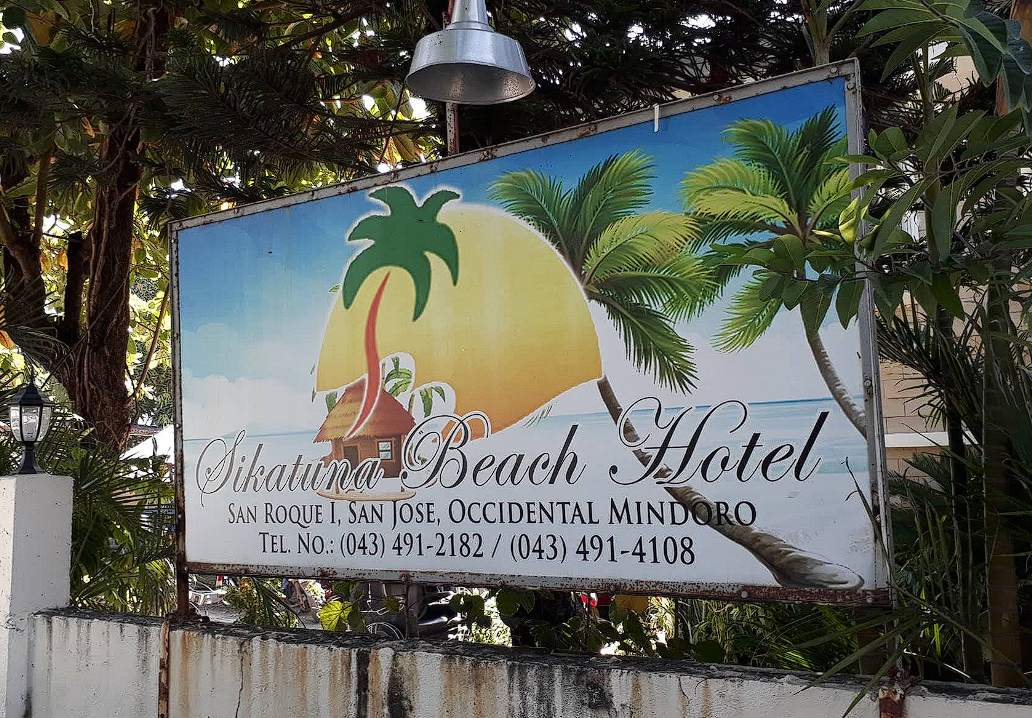
Sikatuna Beach Hotel Restaurant is a long-standing dining establishment owned by Marita Nable Magsino, located in San Roque, San Jose, Occidental Mindoro. Established in 1984, the restaurant has been serving the community for decades, building a strong reputation for quality food and excellent service. Operating 30 days a month for 16 hours daily, the restaurant caters to more than 100 customers per day. Over the years, it has become a well-known dining destination for both locals and visitors seeking delicious Filipino dishes and fresh seafood in a comfortable setting. The restaurant’s best-selling and heirloom dish is the famous Sikatuna Fried Chicken. This signature dish has become a trademark of the establishment. According to the owners, when you bite into their fried chicken, it is crispy on the outside and tender and juicy on the inside. They proudly say that its flavor is distinct and different from other restaurants offering fried chicken. The restaurant also offers local delicacies such as longganisa, further showcasing traditional Filipino flavors. To maintain quality and freshness, ingredients are mainly sourced from the public market. Meals are priced above ₱200, reflecting the restaurant’s quality ingredients, generous servings, and well-established reputation. However, like many food businesses, Sikatuna Beach Hotel Restaurant faces challenges such as high ingredient costs and increasing competition from other dining establishments. Throughout its long history, the restaurant has continuously experimented and improved its dishes by working with different chefs. This dedication to innovation and quality has allowed Sikatuna Beach Hotel Restaurant to remain relevant and successful since 1984. The establishment is willing to be included in a local food map or tourism guide, as it continues to promote Filipino cuisine and contribute to the vibrant tourism and food industry of San Jose, Occidental Mindoro.
⭐ Leave Review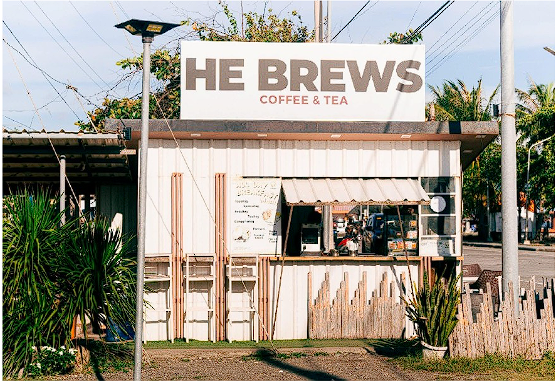
He Brews Aroma Cafe is a cozy bakery and café owned by John Paul Pagasian, located at Aroma Beach, San Jose, Occidental Mindoro. Established in 2023, the café was created to provide a relaxing space where customers can enjoy quality snacks and refreshing beverages while appreciating the scenic atmosphere of the area. Open from Monday to Sunday, He Brews Aroma Cafe serves an average of 51 to 100 customers daily. The café specializes in snacks and merienda items, making it a popular stop for students, families, tourists, and beachgoers. Its best-selling items are Iced Coffee and Potato Fries, which are well-loved for their flavor, affordability, and perfect pairing for casual gatherings or seaside relaxation. In addition to its regular menu, the café also offers a local delicacy known as Sofia’s Sweet in a Jar, giving customers a taste of something unique and special. This offering adds character to the café’s menu and highlights its support for local-inspired treats. The ingredients used in the café are primarily sourced from trusted suppliers to maintain consistency and quality. Prices are kept affordable, ranging from ₱50 to ₱100, ensuring that customers can enjoy their favorite snacks and drinks without overspending. However, like many food establishments, He Brews Aroma Cafe faces challenges such as the high cost of ingredients, which affects overall expenses. Despite these challenges, the café continues to grow and remains committed to providing a comfortable ambiance and satisfying menu. The establishment is also willing to be included in a local food map or tourism guide, as it aims to attract more visitors and contribute to the vibrant food scene of San Jose, Occidental Mindoro. Through dedication and passion for service, He Brews Aroma Cafe continues to brew not just coffee, but memorable experiences for its customers.
⭐ Leave Review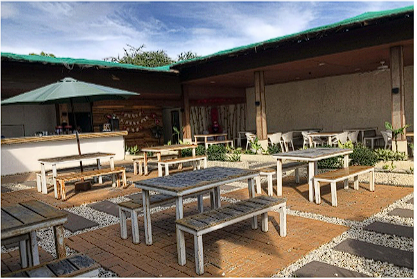
Cavana Island Grill is a Filipino restaurant owned by Anthony Villaroza, located at Aroma Center, San Roque 2, San Jose, Occidental Mindoro. Established in 2023, the restaurant aims to provide quality Filipino dishes in a relaxed and welcoming environment for locals and visitors alike. The restaurant operates daily from 3:00 PM to 11:00 PM, primarily serving dinner and evening customers. On average, it caters to fewer than 20 customers per day, allowing the staff to focus on preparing freshly cooked meals and providing attentive service. Cavana Island Grill offers a variety of Filipino dishes, with Kare-Kare, Stuffed Squid, and various chicken dishes as its best-selling items. These meals are known for their rich flavors and satisfying portions. The restaurant also offers vegetable dishes, giving customers healthier and balanced options while still highlighting traditional Filipino tastes. To maintain freshness and quality, ingredients are mainly sourced from the public market. However, the restaurant faces challenges such as high ingredient costs and a limited number of customers, which affect overall operations and profitability. Despite these obstacles, the owner remains committed to improving the business and attracting more diners. As a growing restaurant in San Jose, Occidental Mindoro, Cavana Island Grill continues to strive for stability and recognition in the local food industry. Through dedication, flavorful dishes, and consistent service, the establishment hopes to expand its customer base and strengthen its presence in the community.
⭐ Leave Review
Leigh 99 Sizzling House is a well-known restaurant owned by Mar Uo Arevalo, located at Brgy. 8, National Highway, San Jose, Occidental Mindoro. Established in 2020, the restaurant has become a favorite dining destination for locals because of its affordable and flavorful Filipino dishes. Operating seven days a week from 10:00 AM to 9:00 PM, Leigh 99 Sizzling House serves more than 100 customers daily. The restaurant is especially popular for its sizzling specialties, with Sizzling Sisig, Sizzling Liempo, and Sizzling Porkchop as its best-selling dishes. These meals are known for being served hot, fresh, and packed with rich flavors that appeal to a wide range of customers. The business was built on passion and personal experience. The owner started the restaurant using their own original recipes. Many cooking ideas were developed while working abroad on an international cruise ship, where different culinary styles and techniques were learned. In addition, the owner’s wife contributed valuable ideas inspired by her family’s background in the restaurant industry. Their combined knowledge and creativity became the foundation of Leigh 99 Sizzling House. To ensure quality and freshness, ingredients are mainly sourced from the public market. The restaurant keeps its meals affordable, with prices ranging from Php 50 to 100, making it accessible to students, workers, and families. Despite its success and steady customer flow, the business faces challenges such as the high cost of ingredients, which affects daily operations. Leigh 99 Sizzling House is willing to be included in a local food map or tourism guide. The owners aim to further promote their restaurant and contribute to the growing food scene of San Jose, Occidental Mindoro. Through dedication, hard work, and a passion for cooking, Leigh 99 Sizzling House continues to thrive and serve the community with pride.
⭐ Leave Review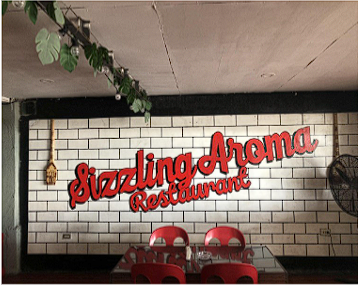
Sizzling Aroma Resto Bar is a Filipino restaurant owned by Janeth L. Artango, located along Airport Road, San Roque 2, San Jose, Occidental Mindoro. The restaurant has been operating from 2022 to 2026, serving the local community with flavorful and satisfying Filipino dishes. It operates seven days a week for eight hours daily, catering to an average of 51 to 100 customers per day. The restaurant is best known for its Crispy Pata and Fried Chicken, which are also considered its oldest or heirloom dishes. These recipes were originally created by the owner’s father, Mr. Ed Artango, who first started the restaurant. His special recipe for Fried Chicken and Crispy Pata became the foundation of the business and continues to define its signature taste today. Interestingly, the real name of the restaurant is AX Restaurant, and it is originally located on Bonifacio Street. Over time, it became popularly known as Sizzling Aroma Resto Bar. Although the restaurant does not specifically offer local or traditional delicacies, it focuses on serving well- loved Filipino favorites prepared with consistency and quality. Ingredients are mainly sourced from the public market to maintain freshness. However, like many food establishments, the restaurant faces challenges such as high ingredient costs and limited customers. Despite these difficulties, the business continues to operate with dedication and commitment to preserving the recipes passed down by the founder. At present, the establishment is not yet willing to be included in a local food map or tourism guide, focusing instead on strengthening its operations and customer base.
⭐ Leave Review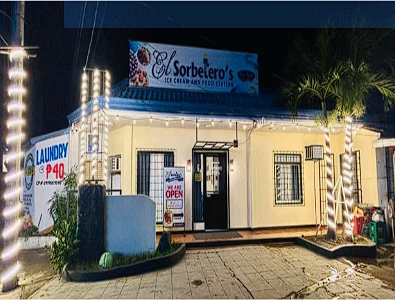
El Sorbetero's Ice Cream & Food Station is a restaurant owned by Dave G. Patricio, located at Juan Luna Street, Brgy. 8, San Jose, Occidental Mindoro. Established in 2017, the restaurant has been serving the community for several years, offering affordable and satisfying meals in a welcoming environment. Operating for 12 hours daily, El Sorbetero's Ice Cream & Food Station caters to an average of 20 to 50 customers per day. The restaurant serves a variety of Filipino dishes, snacks or merienda options, and desserts that appeal to families, students, and workers within the area. Among its best-selling items are Lomi, Pancit, Spaghetti, Shanghai, and Cheesy Roll de Pan. These dishes are well-loved for their rich flavors and generous servings. One of the restaurant’s pride dishes is its Lomi, which is also considered its oldest or heirloom dish. This specialty reflects the establishment’s dedication to serving comforting and traditional Filipino meals. In addition, the restaurant offers local or traditional delicacies, helping preserve and promote Filipino food culture in the community. To ensure freshness and quality, ingredients are sourced from the public market, local farmers, and trusted suppliers. The restaurant keeps its meals affordable, with prices ranging from ₱50 to ₱100, making it accessible to many customers. Like many food businesses, El Sorbetero's Ice Cream & Food Station faces challenges such as the high cost of ingredients and limited customer volume. Despite these difficulties, the owner remains committed to maintaining food quality and good service. With years of operation and dedication to serving the people of San Jose, El Sorbetero's Ice Cream & Food Station continues to strive for growth. The establishment looks forward to greater opportunities, including being featured in local food maps or tourism guides, to further promote its offerings and attract more customers.
⭐ Leave Review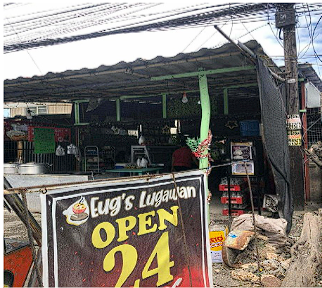
Eug’s Lugawan is a well-known eatery and food stall located along Bonifacio Street, SJOM, owned by Eugene Tolosa Elederos. Established in 2023, the business has steadily grown into a go-to dining spot for locals seeking affordable and comforting Filipino meals. Open 24 hours a day, Eug’s Lugawan serves more than 100 customers daily, making it one of the busiest food stalls in the area. The eatery offers a wide variety of Filipino dishes, including local Mindoro specialties, snacks, merienda options, and desserts. Its best-selling dish is Pork Adobo, loved by customers for its rich flavor and satisfying serving size. True to its name, Eug’s Lugawan proudly serves lugaw, a traditional Filipino rice porridge that brings comfort to many customers, especially during late- night and early-morning hours. One of its oldest or heirloom dishes is Beef Soup with Vegetables, a hearty and nutritious meal that reflects the eatery’s commitment to serving home- style cooking. Ingredients are primarily sourced from the public market to ensure freshness and quality while supporting local vendors. Despite the continuous rise in ingredient costs, Eug’s Lugawan maintains affordable prices, with meals ranging from Php 50 to 100, making it accessible to students, workers, and families. The owner, a college graduate, faced several challenges before establishing stability in the business. Due to various difficulties, the eatery transferred locations multiple times, though it remained within Bonifacio Street. These challenges strengthened the owner’s determination and resilience, allowing the business to continue operating and growing despite obstacles such as high ingredient costs. Eug’s Lugawan is willing to be included in a local food map or tourism guide, as it aims to promote Filipino and Mindoro cuisine while contributing to the local food industry. Through hard work, perseverance, and dedication to quality service, Eug’s Lugawan continues to thrive as a trusted dining destination in the community.
⭐ Leave Review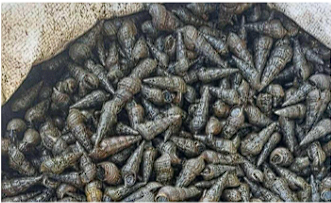
Historical Background: In the upland community of Bato Ili in Monteclaro, San Jose, Occidental Mindoro, the Buhid Mangyan people preserve a traditional delicacy called Agurong—a freshwater snail gathered from streams and rivers surrounding their village. For generations, Agurong has been part of the Buhid’s daily life. Families collect these snails together, teaching the youth how to gather food from nature, a practice deeply rooted in their ancestors' way of living. The Buhid prepare Agurong simply but with distinct flavor: the snails are boiled with ginger, salt, forest leaves, and sometimes chili or coconut to create a rich, aromatic broth. In some cases, they are cooked inside bamboo, a traditional technique passed down through time. Agurong is more than food—it is served during family gatherings, harvest celebrations, and community events, symbolizing unity and gratitude. Despite modern changes, the people of Bato Ili continue to cook and share this delicacy, keeping their cultural heritage alive. Address: Bato Ili Buhid Mangyan Community, Barangay Monte Claro, San Jose, Occidental Mindoro
⭐ Leave Review
Along Fred Madriaga Avenue, Labangan, Poblacion, San Jose, Occidental Mindoro, stands Pizza Alpeo, a locally rooted food establishment owned by Lennilo Carreon and established in 2017. What began as a humble venture has grown into a meaningful chapter in San Jose’s contemporary food heritage—where global influences meet Filipino taste and community spirit. From its earliest days, Pizza Alpeo was shaped by passion, courage, and cultural pride. Built on the belief that food is meant to be shared, the enterprise reflects the entrepreneurial spirit of dreaming big while remaining deeply connected to home. Open daily from 7:00 AM to 7:30 PM, the establishment serves 20–50 customers each day, bringing people together through freshly baked creations. Pizza remains both the best-selling dish and the oldest heirloom offering of Pizza Alpeo. More than just a menu item, it represents the heart of the brand—an evolving recipe that blends Italian craftsmanship with Filipino sensibility. The dough and flavors may draw inspiration from Italy, but they are carefully adapted to suit the Filipino palate, warm, creative, and proudly unique. Guided by tradition and driven by innovation, Pizza Alpeo has transformed challenges into opportunities, turning ideas into flavors that foster connection. Each oven-fresh pizza carries the story of perseverance, love for craft, and the timeless taste of home. Since its establishment, the restaurant has embodied local excellence with global ambition, proving that world-inspired food can still remain deeply Filipino. Today, Pizza Alpeo stands as a symbol of modern Filipino entrepreneurship in San Jose, Occidental Mindoro—a place where passion is not just an ingredient, but the driving force behind every creation, continuing to serve pizza made for the taste of every Pinoy.
⭐ Leave Review
Along Rizal Street in Barangay Poblacion 6, San Jose, Occidental Mindoro, stands Solid Food Station and Catering Services, a culinary establishment owned by Filipina S. Enriquez and formally established in 2015. Though relatively young, Solid Food Station has quickly become part of the town’s evolving food narrative—where tradition meets creativity and friendship shapes the kitchen. The restaurant was founded by a group of like-minded food enthusiasts, friends bound by their shared love for eating, drinking, and creating food together. What began as a simple hobby soon grew into a vision: to create a welcoming place where people from all over San Jose could gather, enjoy flavorful Filipino dishes, and feel at home in a comfortable and friendly atmosphere. Open Monday to Sunday from 8:00 AM to 5:00 PM, Solid Food Station caters to 20–50 customers daily, serving a wide range of Filipino dishes, snacks, merienda, and desserts. Among its best-selling dishes are laing, boneless sisig, lumpiang sariwa, and beef kare-kare, each prepared with attention to freshness and balance of flavors. True to its commitment to Filipino food heritage, the establishment also offers local and traditional favorites such as bilo-bilo and halo-halo, dishes that evoke memory, celebration, and everyday comfort. At the heart of its menu are its oldest heirloom dishes—lomi, pork adobo, and beef pinapaitan—recipes that anchor the restaurant to long-standing Filipino culinary traditions. Guided by the belief that freshness and creativity are essential ingredients, Solid Food Station continues to innovate while honoring the flavors of the past. Its varied menu and attentive service have earned it a loyal following, making it a dependable destination for both casual dining and catered gatherings. Today, Solid Food Station and Catering Services represents a modern yet tradition-rooted culinary space, contributing to the living food heritage of San Jose, Occidental Mindoro—where friendship, flavor, and Filipino identity come together on one table.
⭐ Leave Review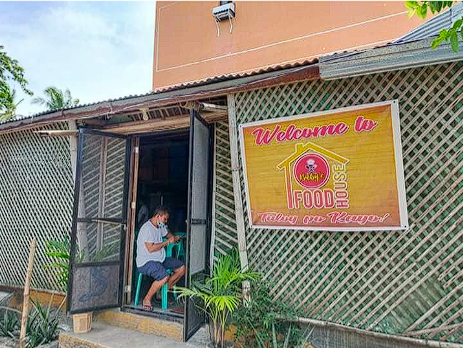
Located in Barangay Poblacion 4, San Jose, Occidental Mindoro, Baby Food House, also known as Arcega, is a well-loved food establishment owned by Flora A. Limbo. Officially established in 2008, the eatery carries a much older story—one rooted in family, perseverance, and the everyday rhythm of the public market. Even while she was still young, Aling Flora, together with her siblings, was already involved in the food business. Cooking and serving meals were part of their daily life, and their small eatery quickly became a familiar place for locals. In time, the family tried to shift their livelihood to selling vegetables sourced from Baguio. However, the business proved difficult to sustain, as the vegetables spoiled quickly, eventually leading to losses. Disheartened, Aling Flora initially decided to step away from cooking. Yet the people had other plans. Customers began to look for her food, asking for the familiar flavors they had grown to love. Because of this continued demand, she returned to what she knew best—lutong Pinoy. Upon reopening, Baby Food House regained its place in the community, becoming especially known for its pansit and burgers, both celebrated for their distinct lasang Pinoy. These dishes became the establishment’s best-sellers, drawing in not only regular customers but also market vendors and market administrators, who frequently dine there. For many, a trip to the public market is never complete without stopping by Baby Food House for a meal. Capable of serving up to 100 customers daily, the eatery operates from 7:00 AM to 4:00 PM, perfectly matching the bustling hours of the palengke. Over the years, its menu has grown to include a variety of Filipino merienda and traditional kakanin, such as maja blanca, cassava cake, and other well-loved snacks that evoke home and tradition. Today, Baby Food House (Arcega) continues to thrive as a palengke institution—a place where food, community, and memory meet. More than just a place to eat, it remains a symbol of resilience and the enduring appeal of simple, honest Filipino cooking in San Jose, Occidental Mindoro.
⭐ Leave Review
Nestled along Sikatuna Street in Barangay Poblacion 1, San Jose, Occidental Mindoro, Kusina ni Lea stands as a testament to family tradition, culinary creativity, and the enduring love for Filipino food. Owned and managed by Gizelle Anne A. Bagatsolon, the restaurant traces its roots back to 1998, when a now-beloved dish was first created—not in a commercial kitchen, but within the family home. The restaurant’s most iconic offering, Sizzling Pusit, is an heirloom recipe originally invented by Greg Abila and Ma. Lea Dipol Abila, the parents of the current owners. This dish quickly became known for its distinctive and carefully balanced flavor, a taste that locals would come to seek out and remember. What began as a family specialty was patiently passed down to the next generation, preserving both technique and tradition. From these humble beginnings, Kusina ni Lea started as a simple neighborhood eatery, serving familiar Filipino dishes made with care. Over the years, as word spread and loyal customers returned, the establishment grew into a bar and restaurant, while remaining in the same location—a symbol of consistency and community trust. Its menu expanded to include Filipino favorites, Mindoro local dishes, seafood, snacks, merienda, and desserts, catering to 20–50 customers daily. Another milestone came in 2020, when the restaurant’s Chicken Wings rose to popularity. Crafted by the chef-owner, this dish carries a signature flavor that remains exclusive, carefully guarded and never replicated by staff. Together with the Sizzling Pusit, these dishes became the restaurant’s defining menu items, even attracting visiting artists and celebrities who dine there when they come to San Jose. Like many local businesses, Kusina ni Lea faced challenges during the pandemic, undergoing minor adjustments to operations. However, through resilience and strong community support, the restaurant recovered and continued serving its patrons without ever leaving its original place. Today, open daily from 9:00 AM to 8:30 PM, Kusina ni Lea continues to thrive despite competition. Sourcing ingredients from local markets, farmers, fisherfolk, and suppliers, it remains committed to affordability and authenticity. More than just a dining spot, Kusina ni Lea is now recognized as a culinary landmark—a place that honors Filipino cuisine, family heritage, and the evolving food culture of San Jose, Occidental Mindoro.
⭐ Leave Review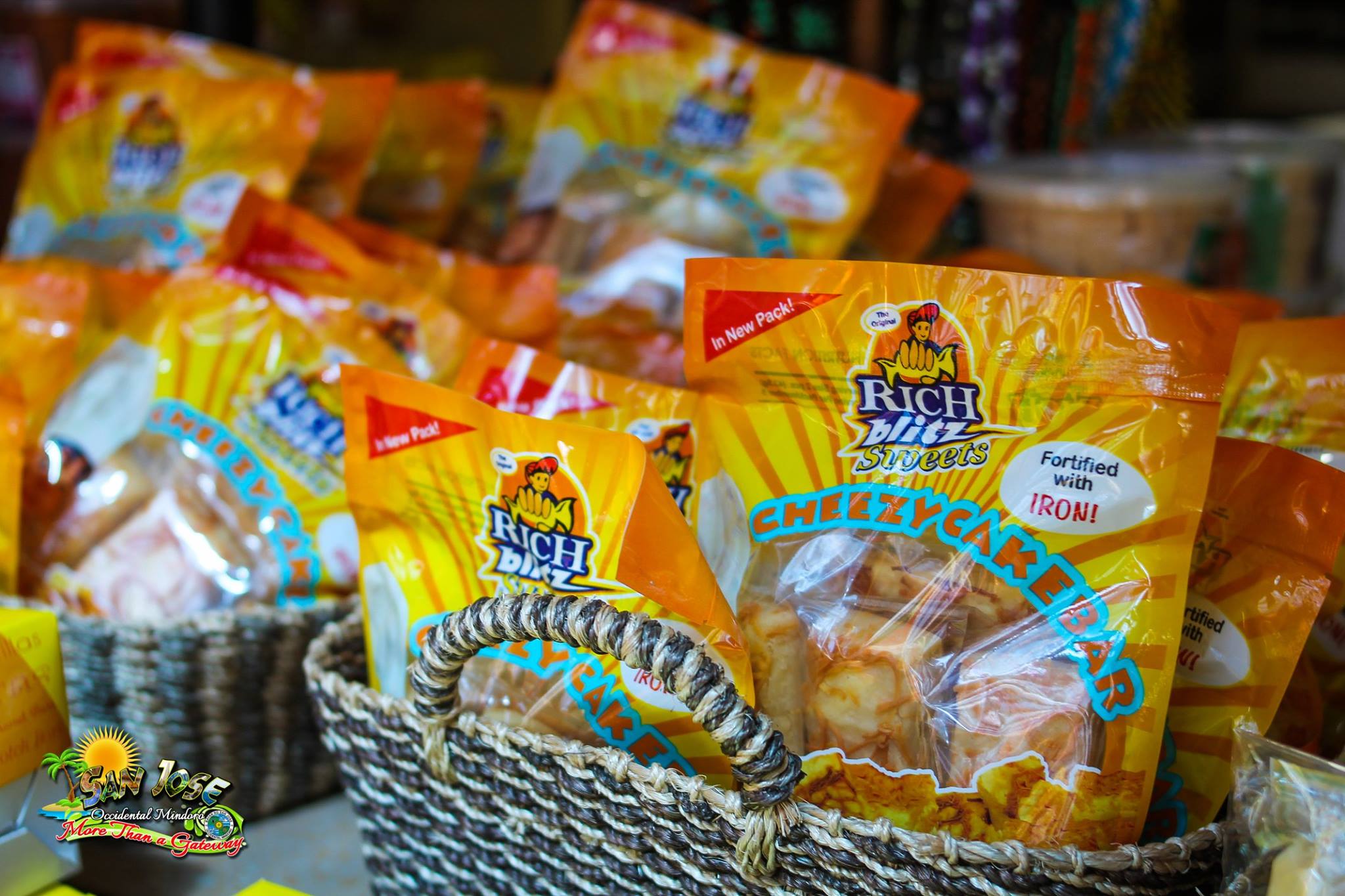
Richblitz Sweets began with Grace D. Dinglasan, a single mother from San Jose, Occidental Mindoro whose determination turned a small idea into a growing business. Starting with no capital and using only borrowed equipment, she created her first product, the Cheesy Cake, which quickly became popular in local offices and shops. Her major breakthrough came when the DOST discovered her products during the AGBILIWA Trade Fair. Through their training and support, Grace improved her production methods, upgraded packaging, and expanded her product line. This increased her output and income significantly, transforming Richblitz from a home-based venture into a recognized local brand. Today, Richblitz Sweets stands as a symbol of perseverance, innovation, and the power of starting small.
⭐ Leave Review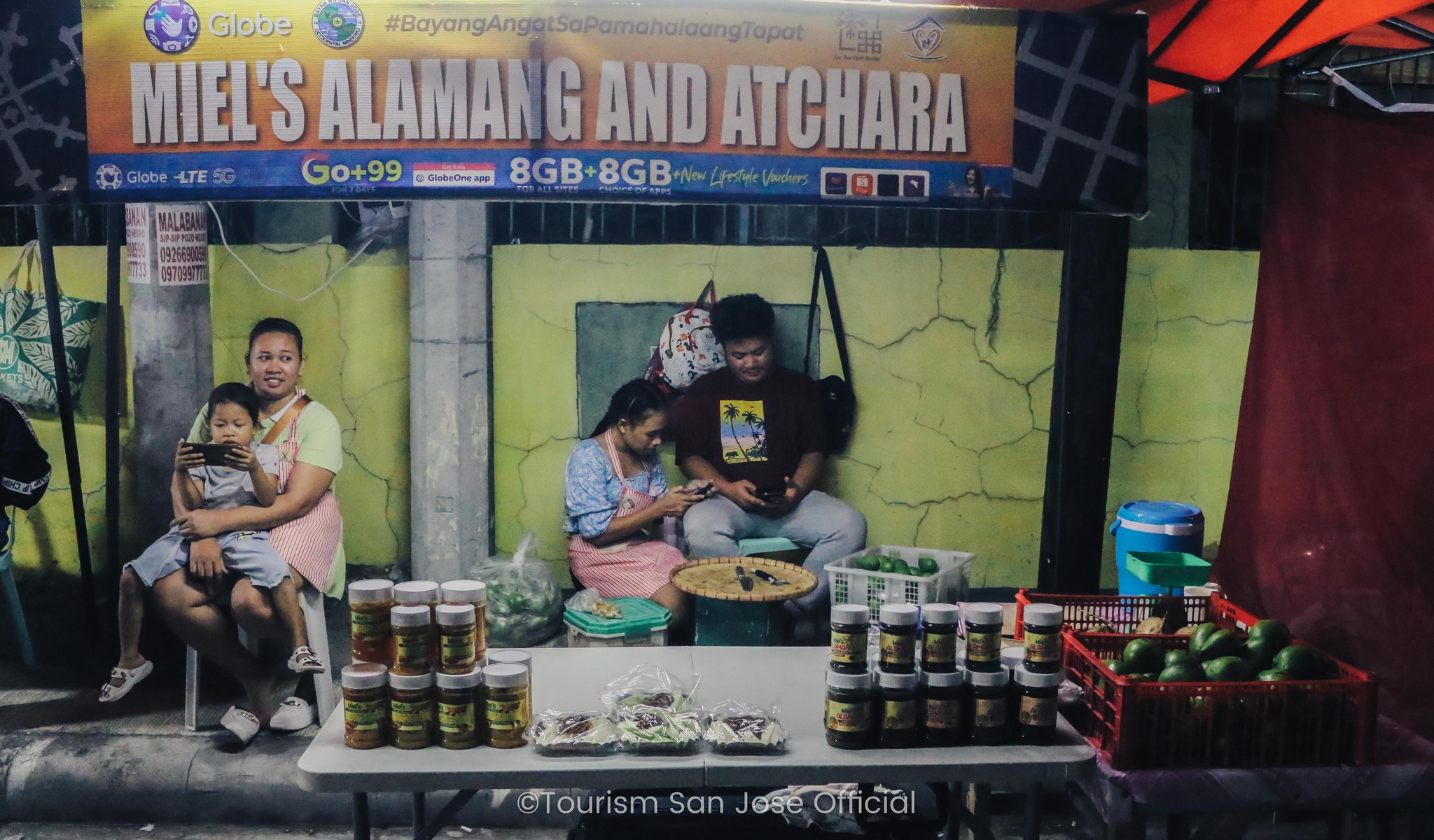
Mangarin Alamang, a traditional shrimp paste from Mangarin, San Jose, Occidental Mindoro, is made through a process passed down over generations. Small shrimp are harvested from the coastal waters, cleaned, salted, and fermented for weeks or months in shaded, cool areas. The shrimp paste is then refined, packaged, and sold locally and beyond to places like Calapan and Metro Manila. It is used in Filipino dishes like sinigang, bagnet, and paksiw. This practice takes place in Mangarin’s coastal barangay, where the abundant shrimp are harvested in the mangrove-lined waters. The process serves multiple purposes: preserving shrimp, providing income, and maintaining cultural heritage. The production is a family affair, with generations participating, fostering community bonds. Mangarin Alamang also carries cultural significance, symbolizing the community’s connection to the sea, sustainable fishing, and local pride. It is a culinary staple that represents the community's identity, contributing to both local and regional trade. Currently, they are in stall inside San Jose Night Market (near the San Jose Town Plaza) and are currently selling their one of a kind alamang.
⭐ Leave Review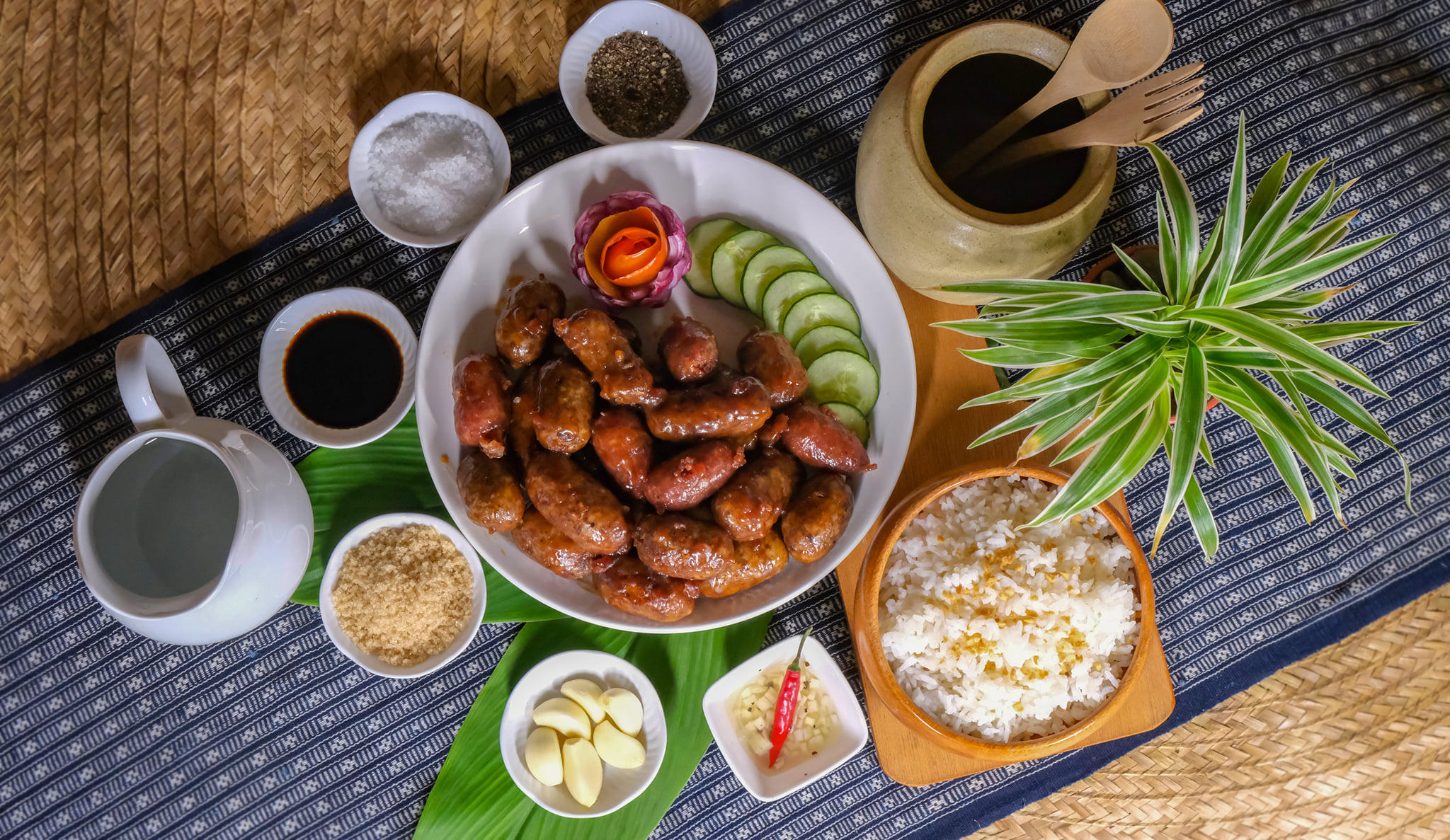
San Jose Longganisa, a well-loved product of San Jose, Occidental Mindoro, represents the unity of various ethnic groups who settled in the town. One of its pioneers is 80-year-old Mrs. Chonchita “Gng. Conching” Valera Aquino, who, together with her husband Eddie and nephew Edwin Pineda, has preserved their family’s longganisa-making tradition for decades. The longganisa reflects the town’s migration history. Ilocanos, Kapampangans, Bisayas, and Pangasinans moved to San Jose due to factors such as post–World War II recovery, the promise of farmland, and the 1991 Mount Pinatubo eruption. They brought their own culinary techniques—Ilocano garlicky-spicy flavors, Kapampangan sweet-savory styles, and Bisaya–Pangasinan balanced blends—which slowly merged into what is now known as San Jose Longganisa. After Liberation Day in 1944, the town became a refuge for migrants whose food preservation methods influenced local cooking. As Edwin shared, their family learned from these groups, combining different techniques to create the longganisa’s unique taste. Today, San Jose Longganisa stands as more than a delicacy—it is a symbol of resilience, cultural fusion, and the shared history of diverse communities whose traditions came together in one flavorful product.
⭐ Leave Review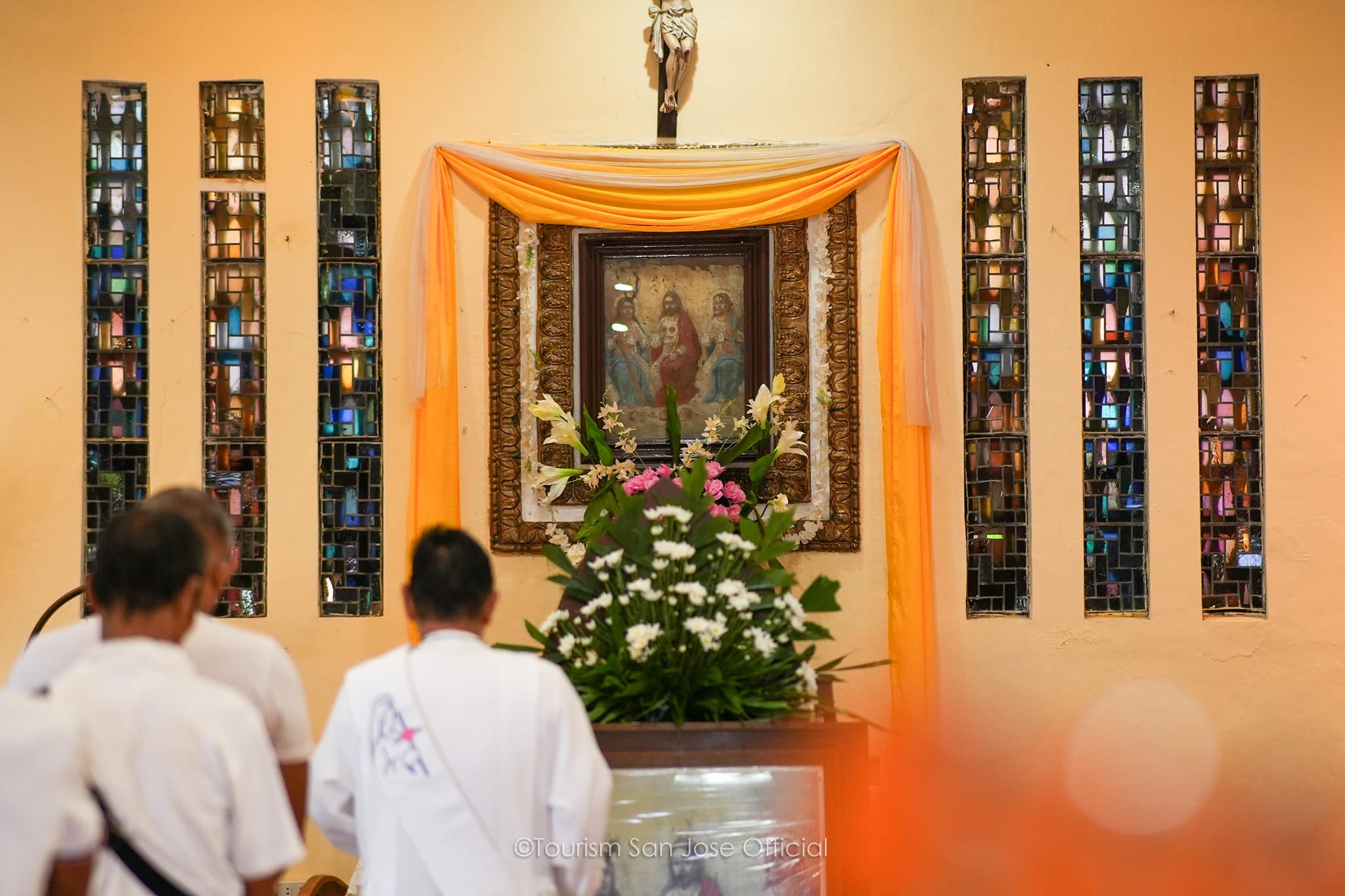
The old church at the center of the mission station founded by the Spanish missionaries at the south western part of Mindoro. Improved and beautified in 2013 by Fr. Fernando Suarez, MMMP, this house of worship was already being used by the Catholic faithful in the Island of Iling. This was formerly a wooden chapel built by the Spanish friars, when they made Iling as a mission station in 1820. After many years, they installed at the belfry of this chapel a church bell with the inscription “Aπo 1843.”
⭐ Leave Review.jpg)
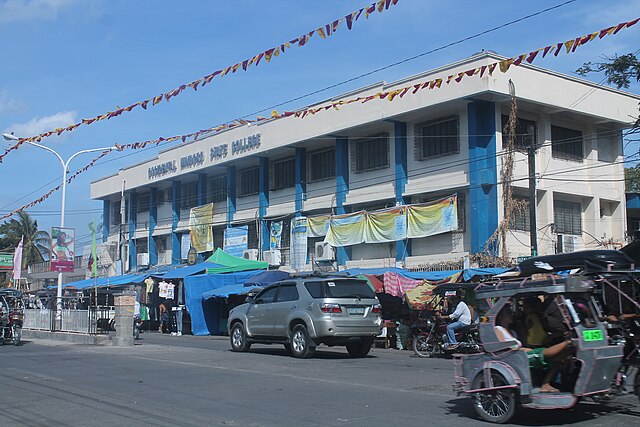
The site where the building of the first secondary school in the south western part of Mindoro was erected in 1945. That year, Professor Gabriel Fabella and his fellow educators, founded in Central, Southern Mindoro Academy (SMA). When soldiers of the Allied Armed Forces who liberated San Jose on December 15, 1944 left the municipality, one of the long quonset huts in Pandurucan, which they used as living quarter, was bought by the incorporators of the school and converted into classrooms. In 1960, the Society of the Divine Word (SVD) bought SMA and renamed it as Divine Word Academy. Years later, it became known as Divine Word College-San Jose.
⭐ Leave Review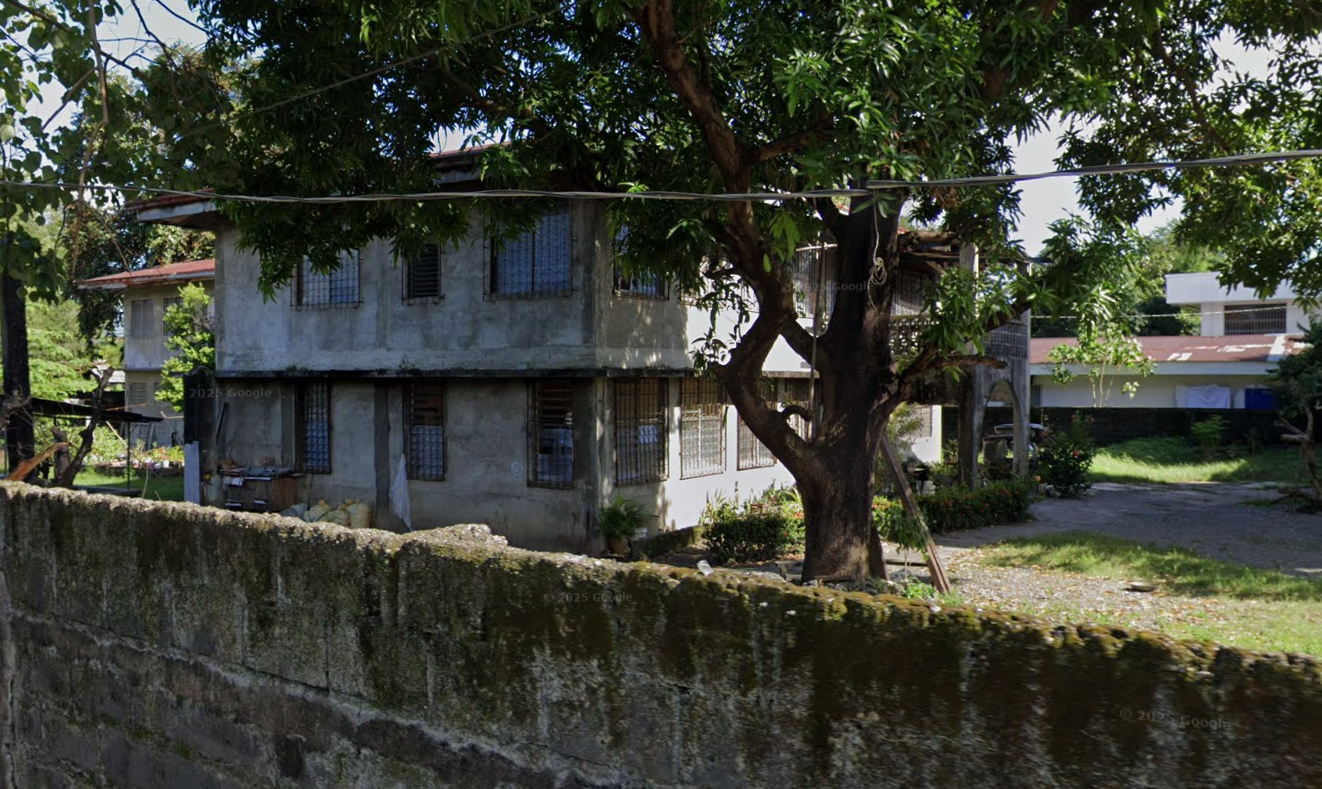
The site where the buildings for the classrooms of a Catholic school founded by Fr. Carlos Brendel, SVD were erected. Called as St. Joseph’s School, this educational institution gave quality education to the youth of San Jose and neighboring municipalities, who became leaders in various fields of endeavour. In 1960, when Southern Mindoro Academy was acquired by the SVD fathers, this secondary school became an exclusive school for girls. One of the alumni of this school is Representative Josephine Ramirez-Sato, the longest serving public official of Occidental Mindoro. St. Joseph’s School closed in 1984.
⭐ Leave Review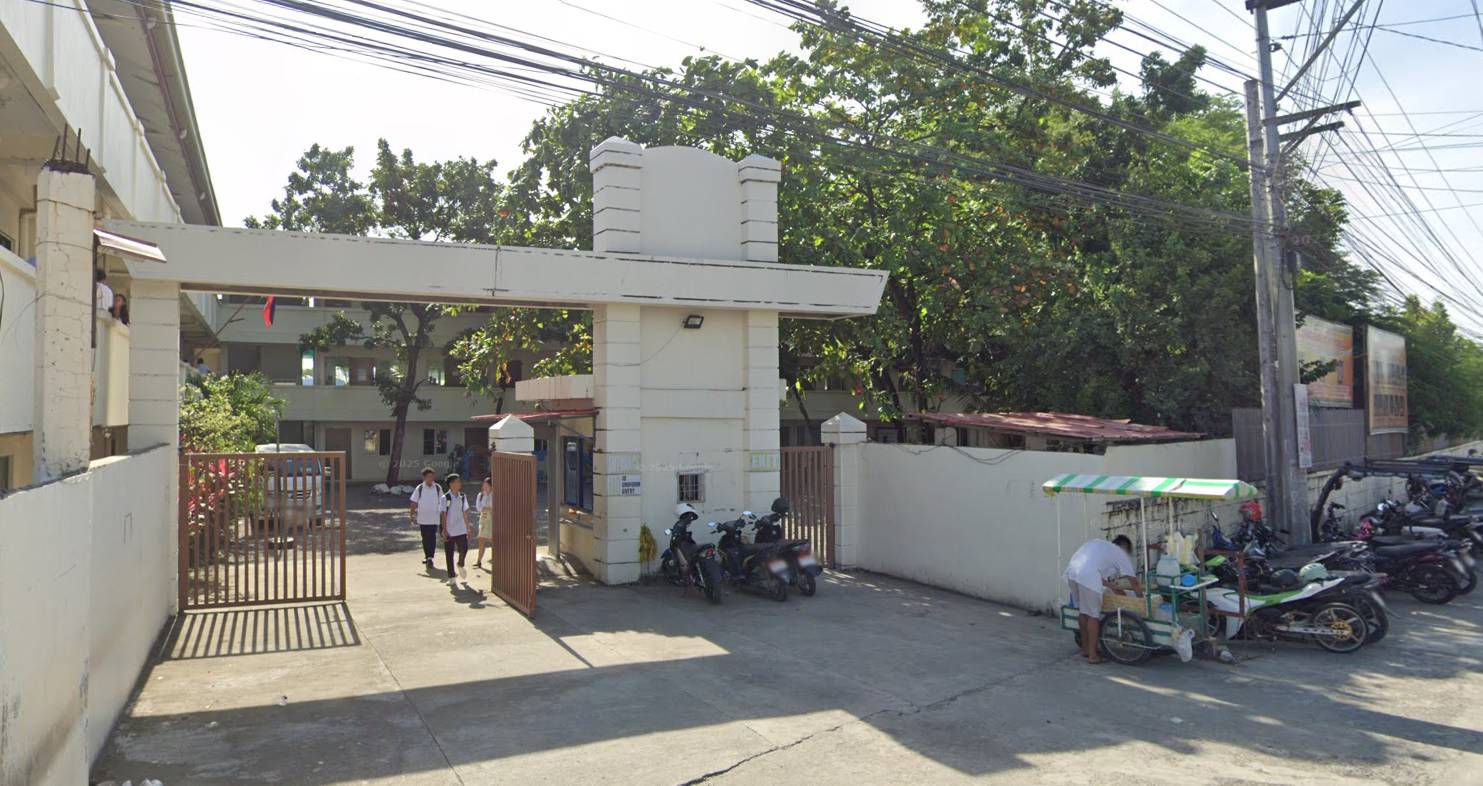
This building was used as first post office of San Jose, when this town was created by Gov.-Gen. William Cameroon Forbes, on May 1, 1910. During World War II, this building was also used as a garrison by the Japanese soldiers. When a building was constructed at Pandurucan, to house the permanent post office, Holy Family Academy used this structure as its library in 1957. Only minor repairs were made in this structure. Despite existing for more than a century, this building is still standing.
⭐ Leave Review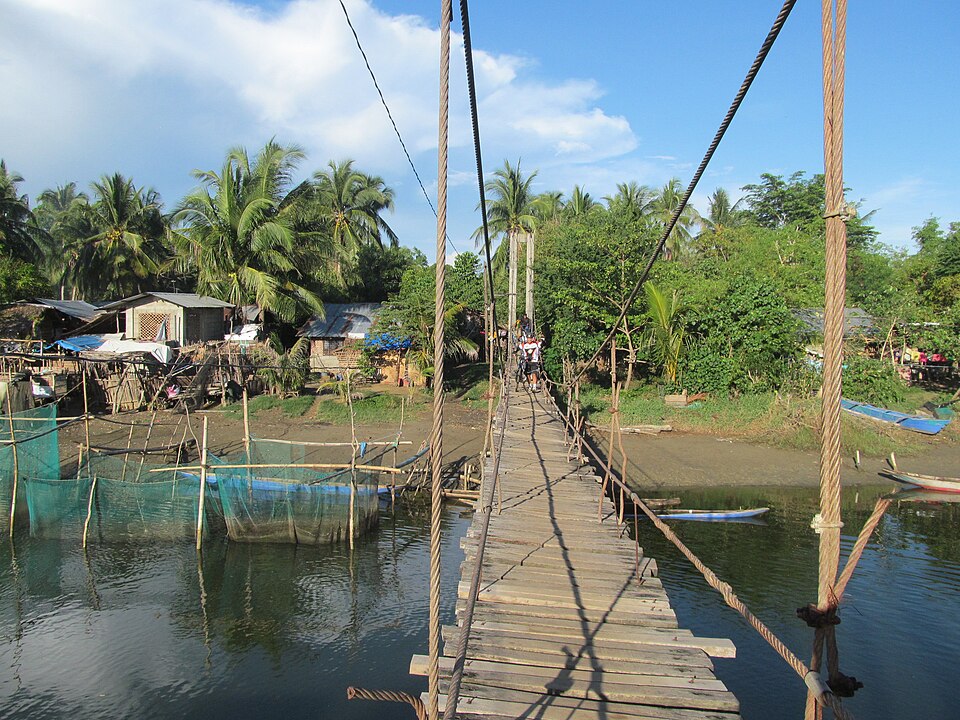
The center of the first parish created by the Order of the Augustinian Recollects, in the south western part of Mindoro, in 1683. A stone fort was constructed here to defend the parishioners against the marauding pirates. However, since the center of the parish was located between two rivers, it was frequently flooded. The inhabitants, led by Fr. Valentin Diaz delos Sagrados Corazones de Jesus y Maria requested the government to transfer it to another place. The government granted their request. In 1866, the barrio site of Mangarin was transferred to the place where it is located at present.
⭐ Leave Review
The church where the seat of the vicar apostolic of the Apostolic Vicariate of San Jose is found. This house of worship was a former parish church built by Fr. George Koshinski, SVD in 1961. In 1983, when the Apostolic Vicariate of San Jose was created and Bishop Vicente Manuel, SVD, DD was installed as the apostolic vicar, this church was elevated to the status of a cathedral for it became the center of an ecclesiastical territory. The cathedral was made wider by members of Basic Ecclesial Communities in Occ. Mindoro. In 2001, the Cathedral Renovation Committee headed by Ms. Fe Ronquillo-Arrastia was created. With the financial support of the Catholic faithful here and abroad, the cathedral was renovated and made bigger.
⭐ Leave Review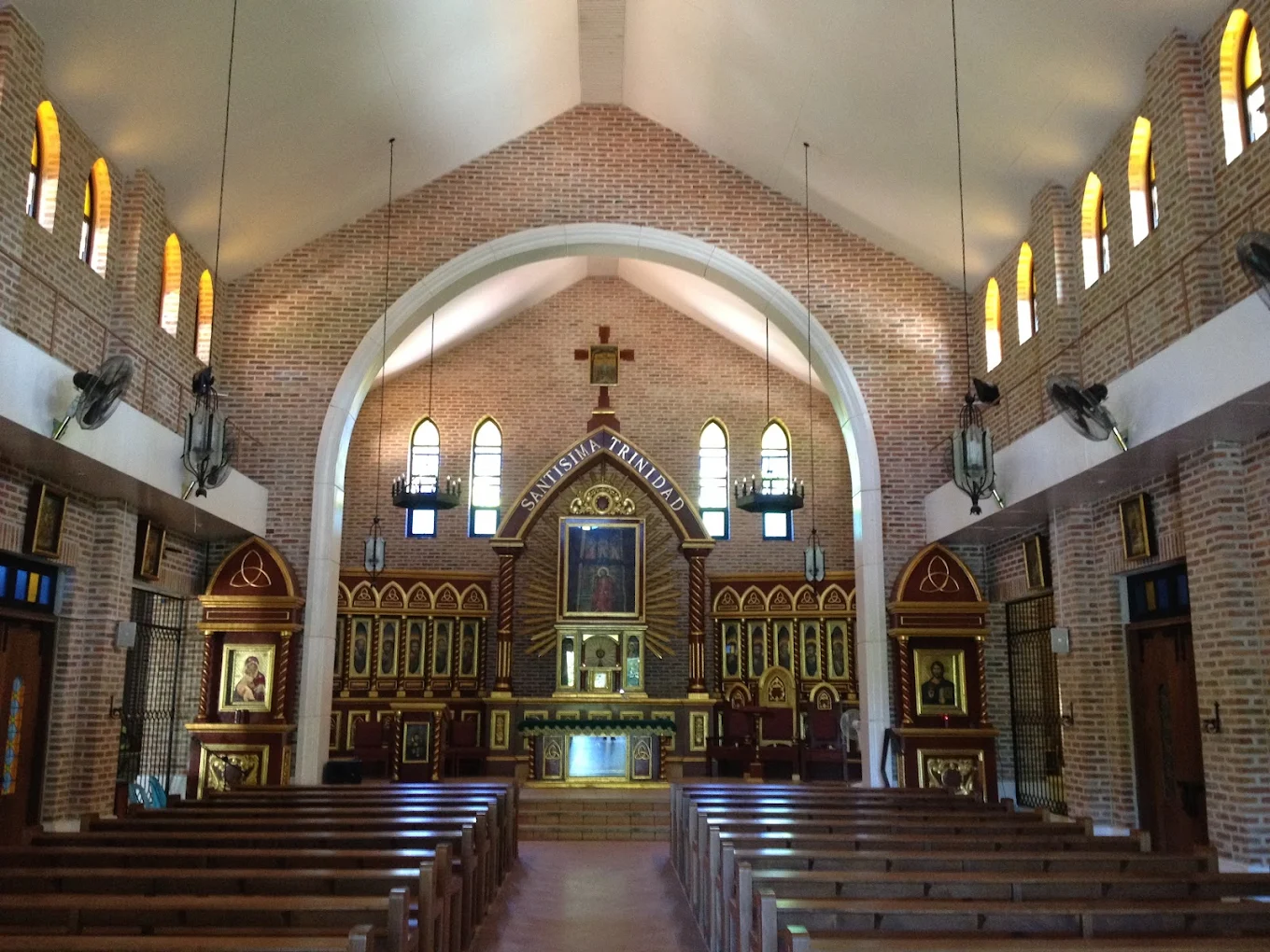
The tourist magnet church in Iling Island. This is a church constructed by “the healing priest” Rev. Fr. Fernando Suarez, MMMP, founder of the religious congregation Missionaries of Mary Mother of the Poor (MMMP). Structurally, the brick-clad edifice is a modern adaptation of Romanesque architecture; it has a floor area of nearly 600 square meter, and has its own choir loft. The Byzantine inspired structure is made of banal solid wood featuring 40 sacred icons, 12 apostles and the last supper. A painter from Israel came and volunteered to paint the sacred icons, apostles and picture of the last supper inside the church.
⭐ Leave Review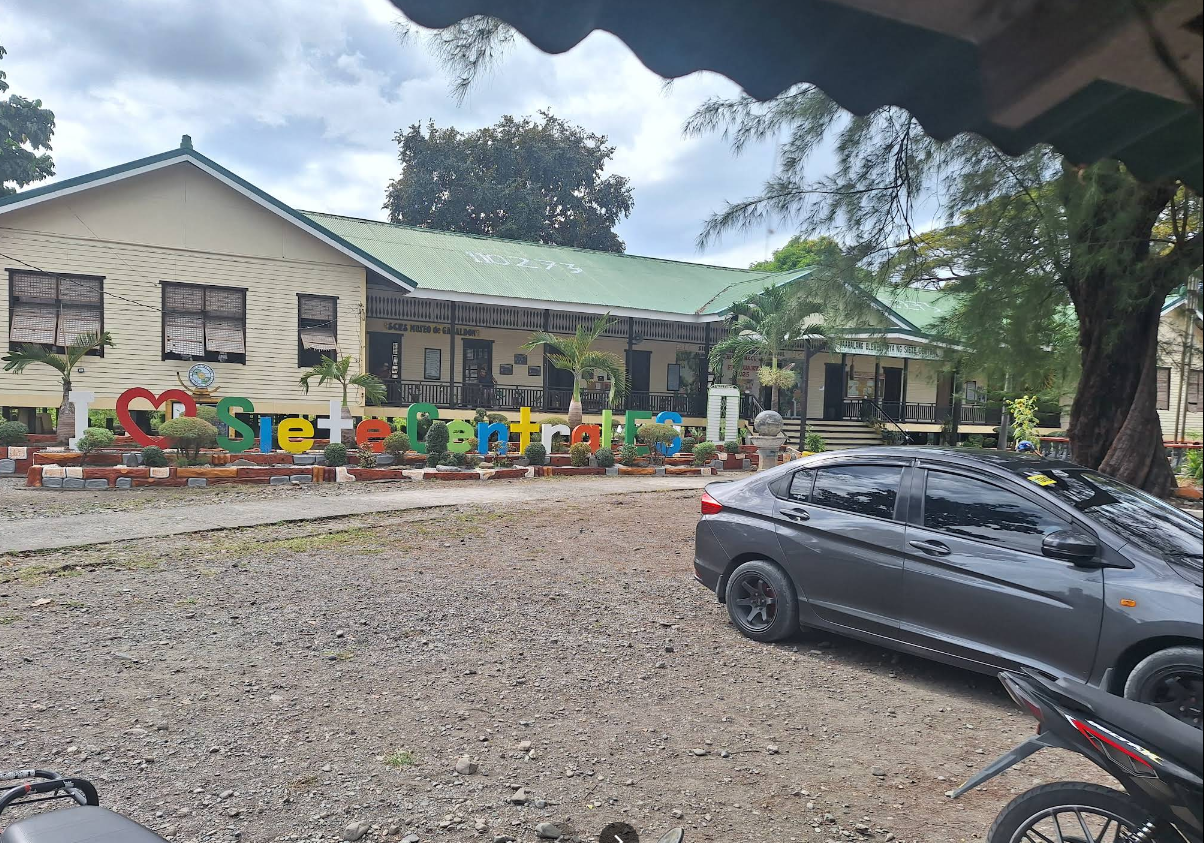
The only Gabaldon type of school building which is still standing in San Jose. This building of Siete Central Farm School, which was the 3rd educational institution opened in San Jose, after Iling Elementary School & Caminawit Elementary School was constructed in 1913. This type of school building was named after Representative Isauro Gabaldon, who sponsored in the Philippine Assembly the bill which allotted one million pesos for the construction of school buildings for elementary school pupils. During World War II, this building was also used as a garrison by the Japanese soldiers who occupied San Jose.
⭐ Leave Review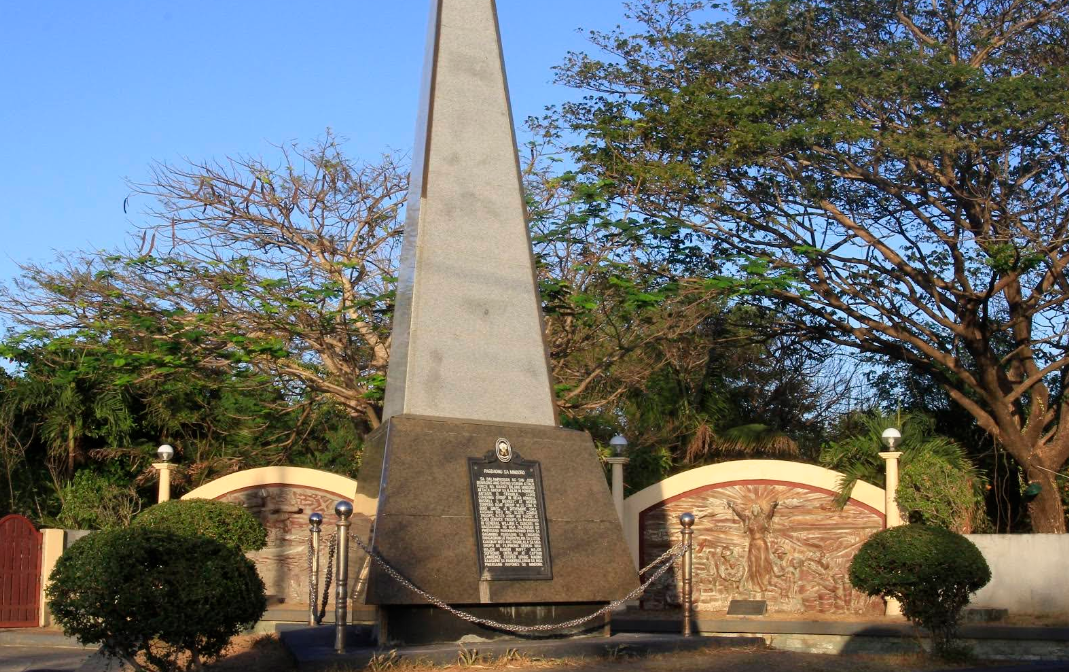
The portion of the beach in San Jose where approximately 300 soldiers of the Allied Armed Forces first landed. From Leyte, the liberation forces proceeded to San Jose on December 15, 1944 and made this part of the beach of Brgy. San Roque, at present, as their Second Landing Site. Aside from soldiers, supplies, ammunitions, transport vehicles, tanks and heavy equipment were unloaded in this area. Airfields were hastily constructed at strategic places in San Jose. Warplanes from those airfields helped liberate many places in the Philippines from Japanese occupation.
⭐ Leave Review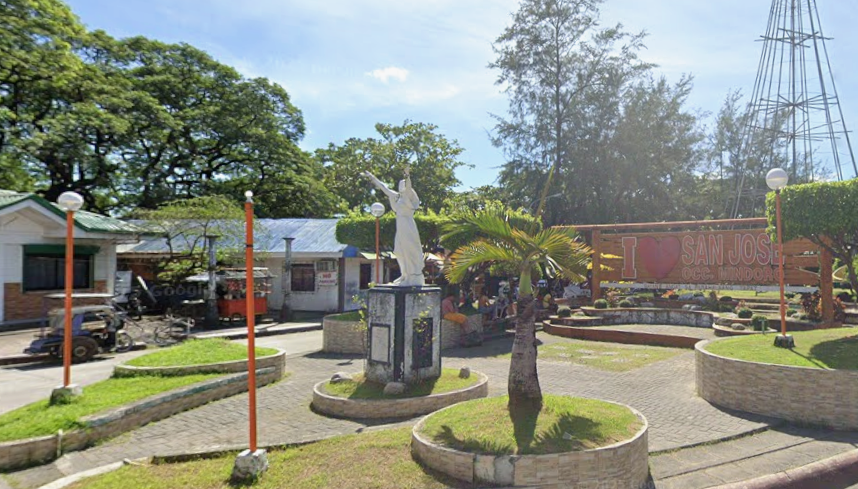
The statue erected to perpetuate the memory of the liberation of San Jose by the Allied Armed Forces, from Japanese occupation on December 15, 1944. In 1947, the first graduates of Southern Mindoro Academy (SMA) implemented their project of acquiring a statue of liberty and donating it to the municipal government, to commemorate the liberation of San Jose by the Allied Armed Forces from Japanese occupation. Mayor Isabelo Abeleda happily received the donation. It was erected at the western part of the town plaza. Many years later, the statue was transferred in front of the municipal compound, near the entrance.
⭐ Leave Review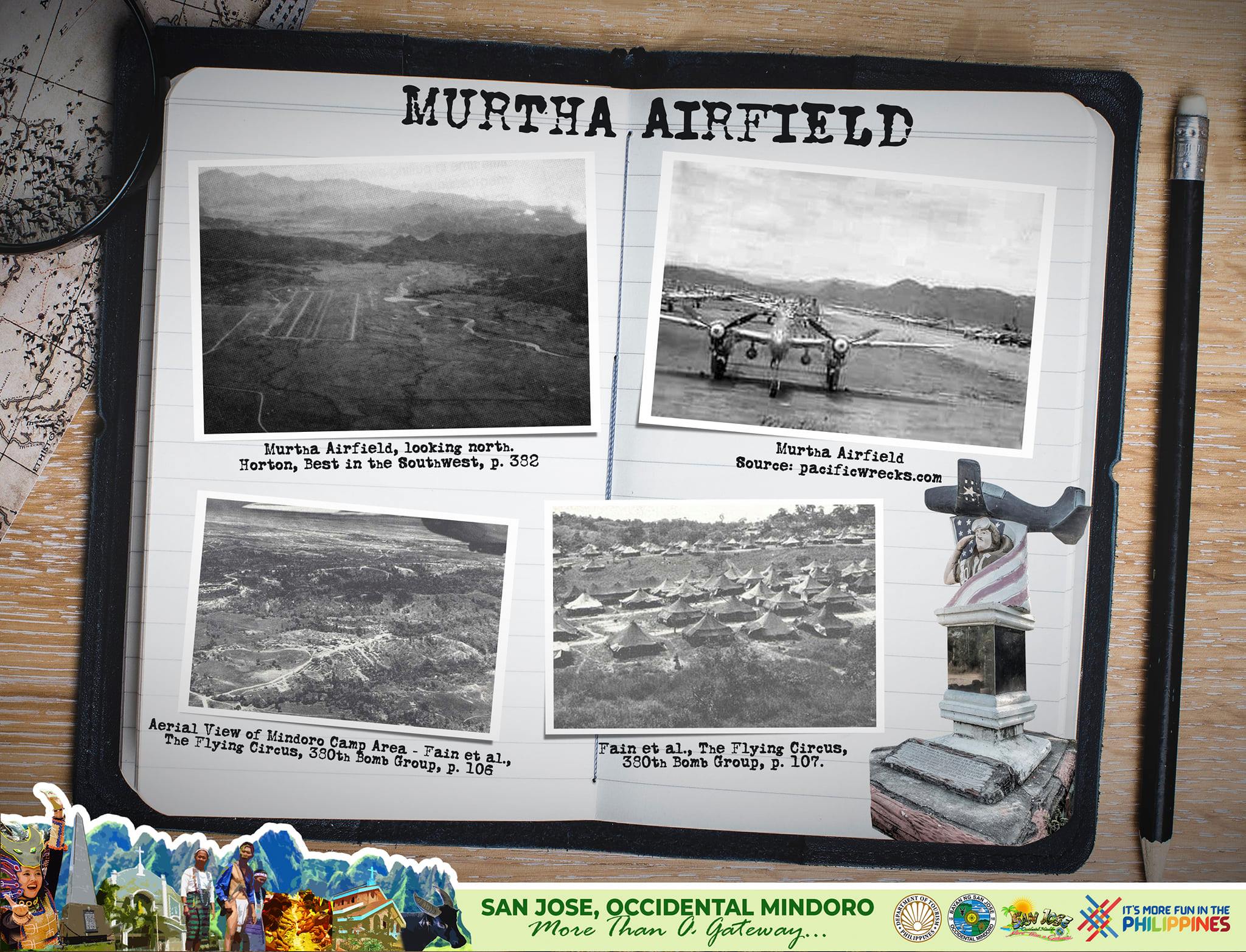
An old community of the Mangyans which played an important role in the liberation of the Philippines. In 1944, during the liberation of San Jose from Japanese occupation, this airfield was constructed by the engineers of the Allied Armed Forces. It was named in honor of Colonel John Murtha, commander of the 310th Bombardment Wing who died when the fighter plane of a Japanese kamikaze pilot dove and exploded in the battleship carrying him and other by the Allied Armed Forces to liberate other parts of the Philippines from Japanese occupation. Warplanes from this airfield were used to liberate other parts of the country from the occupation of Japanese soldiers. After the war, Upper Mangyan, the old name of the place where the airfield was located, was changed to Murtha.
⭐ Leave Review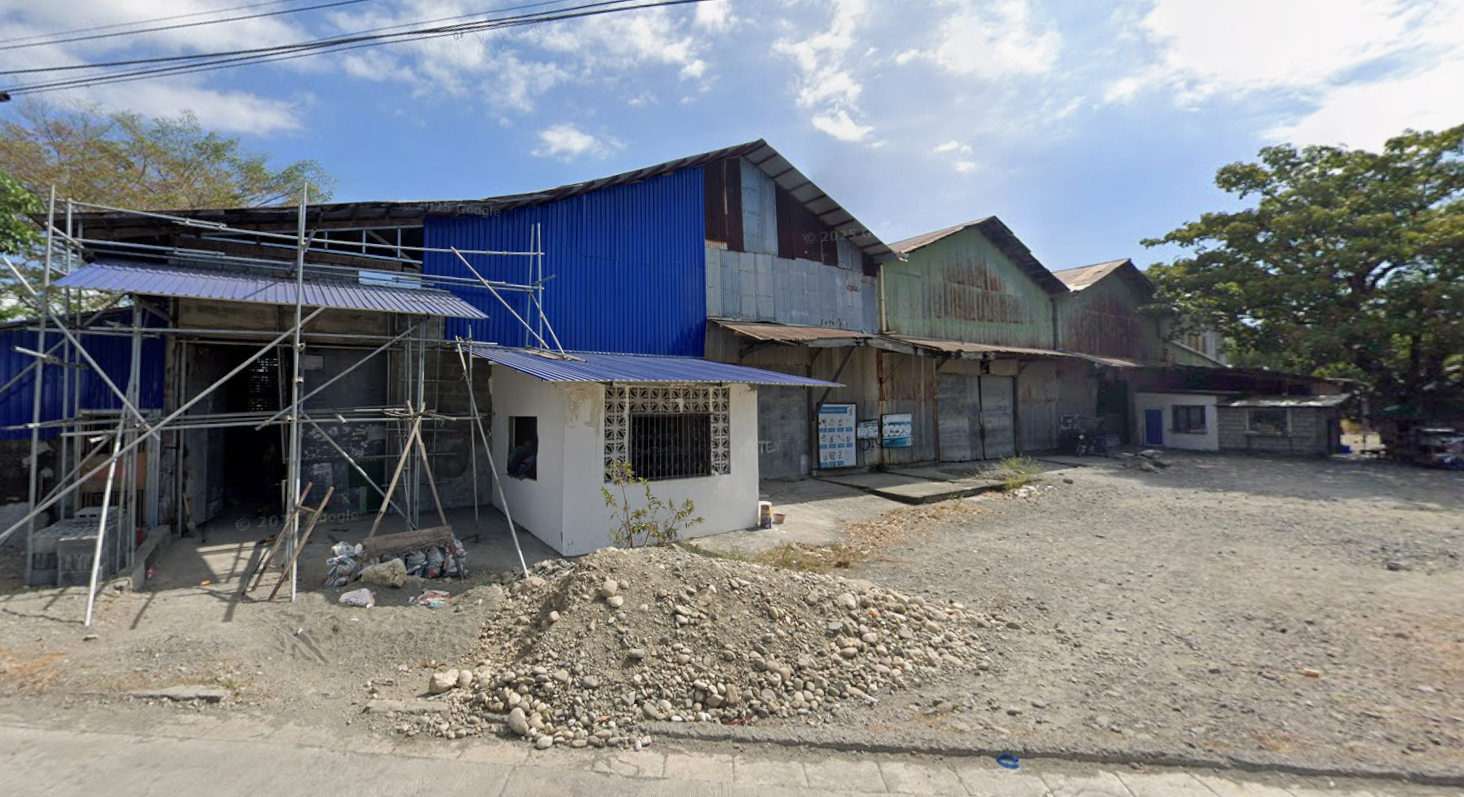
The building where passengers of ships docking at the south western portion of Mindoro Strait used to come and wait for the train from Central. Built as a canteen in 1912, near the wooden wharf of Caminawit by the owners of Mindoro Sugar Company (later renamed Philippine Milling Company), this structure also served as a waiting place of passengers who wanted to go to Central to work at the sugarcane plantation & sugar mill. Oftentimes, they waited for the train to arrive from Central for several hours. The canteen supervisor used to utter this joke to the passengers: “You come and wait.” Later on the words joined and became “Caminawit,” the name of the community where the canteen is located. In 1971, the second floor of this old building was used as the broadcast studio of DZYM-AM, the first radio station in Occidental Mindoro
⭐ Leave Review
The place where the airplane carrying then Manila Auxiliary Bishop William Finnemann, SVD, DD landed in 1934. The bishop administered the Sacrament of Confirmation to thousands of children of workers & employees of Philippine Milling Company. He was the first bishop who visited the sugar mill & sugarcane plantation. When the Apostolic Prefecture of Mindoro was established in 1936, he was installed as the first bishop of the ecclesiastical territory in the island.
⭐ Leave Review
A park created to perpetuate the memory of the most progressive community in the island of Mindoro, in 1912. When Philippine Milling Company ceased to operate, during Decade 70s, its buildings were dismantled and its reusable equipment & machineries were sold to sugar millers at Iloilo. Pioneers of Central felt extremely sad for the demise of the once progressive company. To remind the people of the physical appearance of the center of the sugar company, Brgy Captain Amado Tan set aside an area at the exact location of the sugar mill, beautified the surroundings and constructed a concrete stage with replicas of the important structures of Philippine Milling Company.
⭐ Leave Review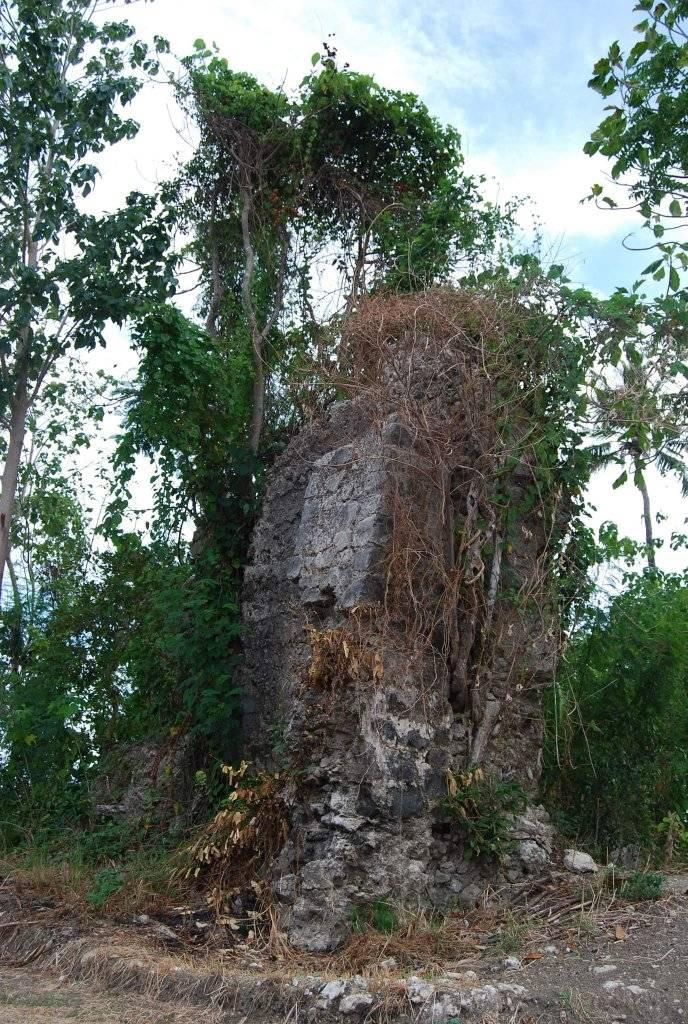
The house of worship where two Spanish friars declared holy by the Catholic Church had celebrated mass. In 1850, Fr. Pablo Bienzobas de San Antonio de Padua, encouraged the parishioners of Mangarin Parish to build a stone church which would also serve as stronghold (baluarte), whenever the pirates attack their settlement. The inhabitants upon hearing the ringing of the bell at Mangarin fort would hide inside the massive walls of the stone church. Old records at the archives of the Order of the Augustinian Recollect, mentioned that St. Exequiel Moreno and Blessed Diego de Sanvitores celebrated mass inside this church.
⭐ Leave Review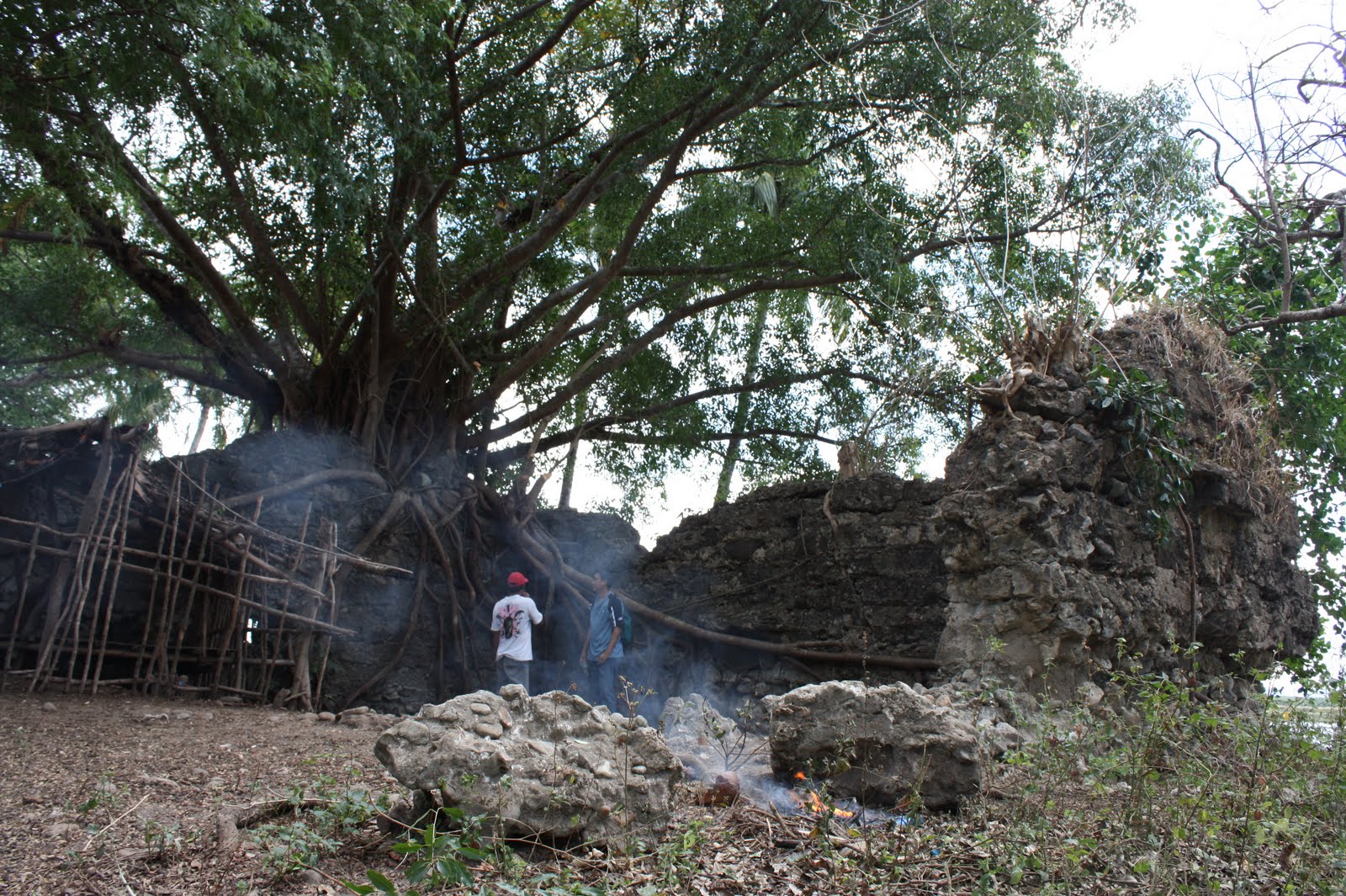
A structure used to defend the inhabitants of Mangarin against the marauding pirates. In 1844, the parish priest of Mangarin, Fr. Pedro Soto de San Juan Bautista, led his parishioners in building this stone fort with four cannons. Day and night, guards were assigned at the fort and every time they see the colorful sails of the pirates’ vinta in Mindoro Strait, they ring the bell on the watchtower to warn the inhabitants of impending danger. The pirates stopped marauding Mangarin when, the defenders of the fort killed some of them with the use of the bronze cannons.
⭐ Leave Review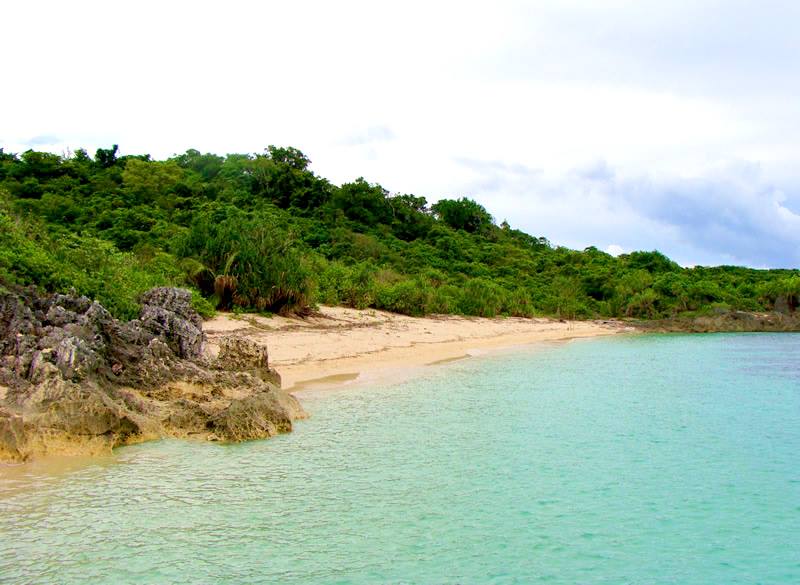
The hiding place of marauding pirates and the guide of seagoing vessels in the southern portion of Mindoro Strait. In an article published in Singapore, in 1849, the late Dutch researcher & SVD priest, Fr. Antoon Postma, read that the Muslim pirates sought shelter in the cove or sheltered bay of Ambulong (Minanga Cove), during stormy weather. In 1860, the Spanish colonial government built a lighthouse on the hill located in the northwestern part of the island. When the elements of nature destroyed the lighthouse, the American government built a more durable lighthouse on the same hill in 1901. The structure is still standing up to the present time.
⭐ Leave Review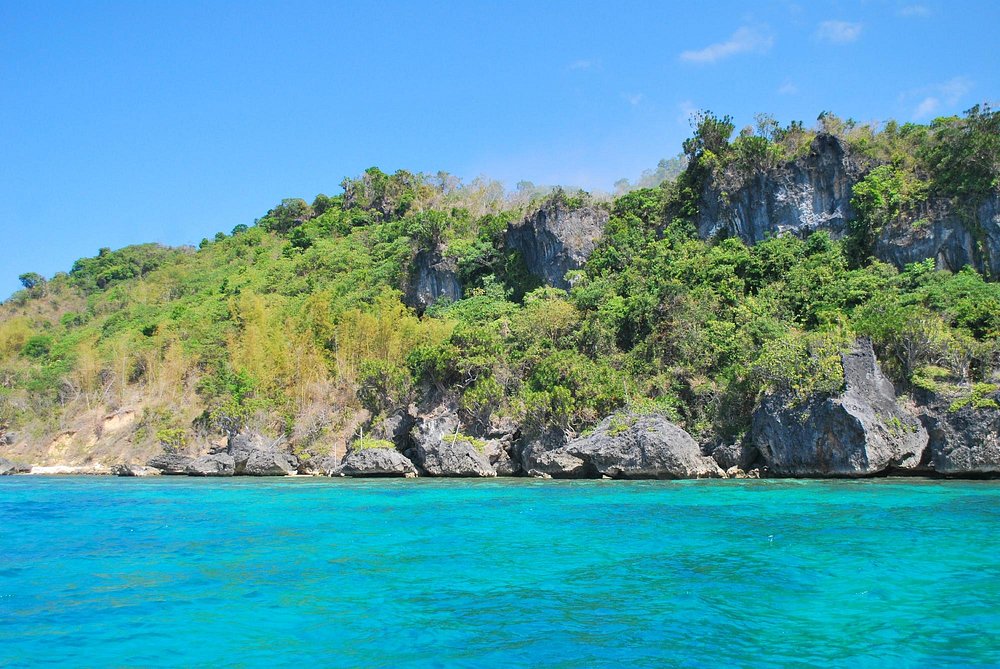
The first community visited by the Spaniards in Mindoro. Historian Dr. Gregorio Zaide wrote that in 1571, Captain Juan de Salcedo with boatloads of Visayan & Spanish warriors, visited Iling Island, on their way to Mamburao to drive the Muslim pirates from their headquarters. The old settlement which they visited is now called Ingbanwahan which originally came from a Visayan term meaning “Pinagbayanan”. Captain Juan de Salcedo reported to Gov.-Gen. Martin Lopez de Legazpi that the inhabitants of this community are peace-loving people.
⭐ Leave Review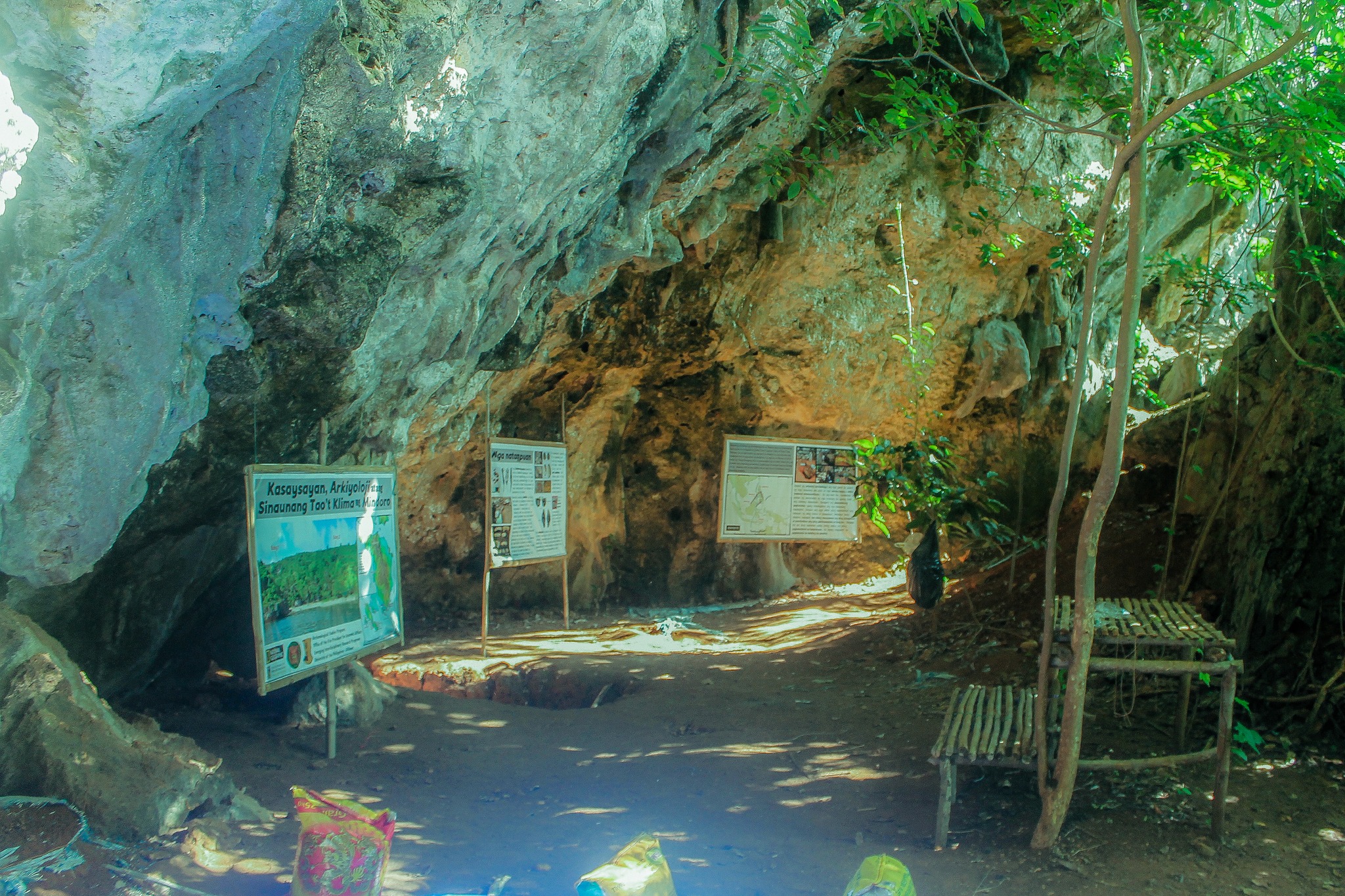
The settlement of the first inhabitants of San Jose. From July 13-August 15, 2015 a group of archaeologists from UP, led by Professor Alfred Pawlik discovered that Iling Island, specifically, Sitio Bubog of Brgy. Pawican, at present, was inhabited by people belonging to the hunter-gatherer society. The said group excavated shell adzes from the island. After being subjected to carbon dating in a laboratory in Australia, it was determined that the shell adzes were used for cutting wood by the hunter-gatherers 6500 - 6250 years before the birth of Jesus Christ
⭐ Leave Review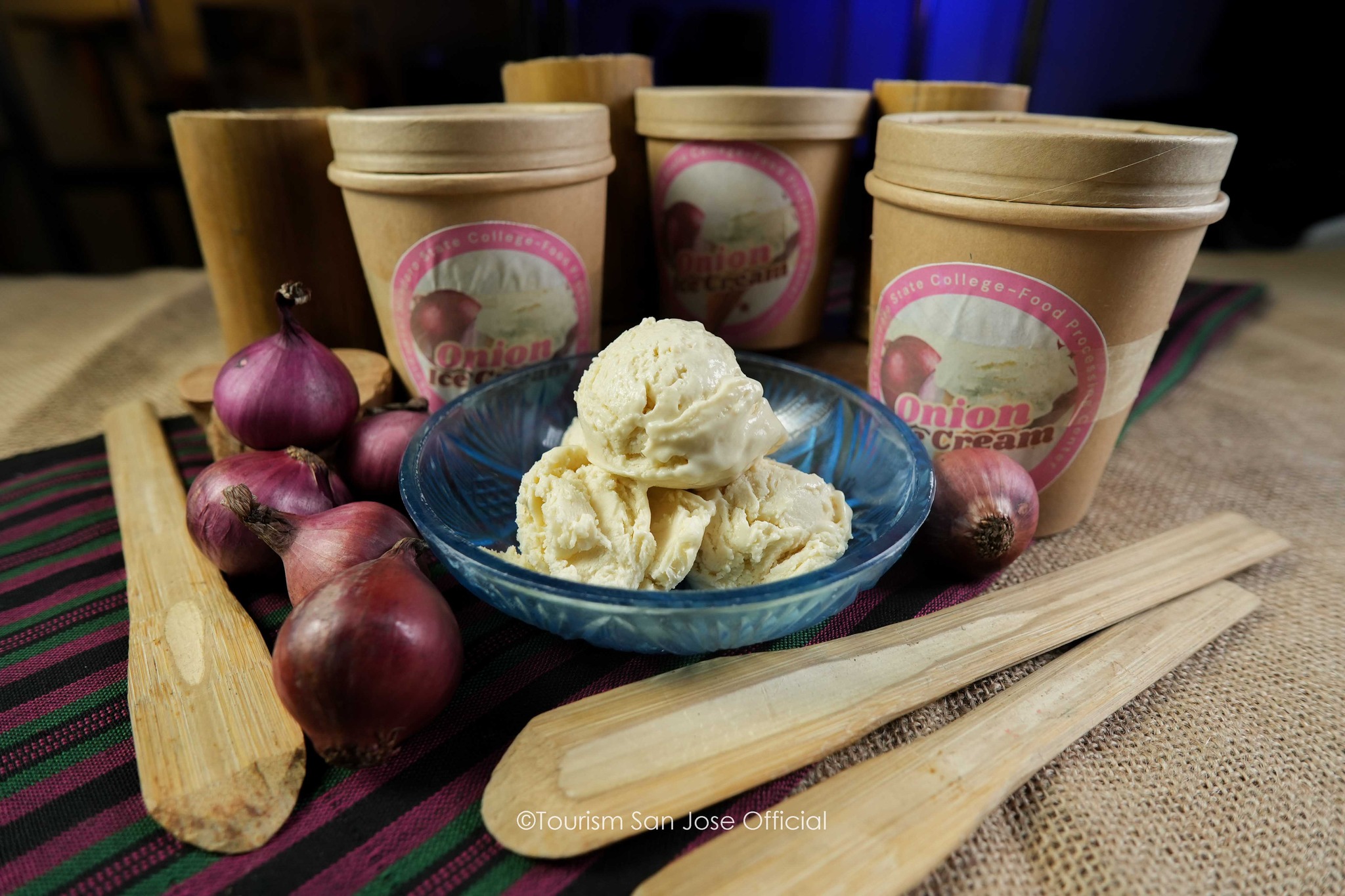
Onion ice cream is made in Occidental Mindoro, Philippines, at the Occidental Mindoro State College (OMSC) Food Processing Center. The college developed the product to help local farmers by finding new uses for onions, especially those that are not marketable due to size or low prices.
⭐ Leave Review
This airfield was also constructed by the Allied Armed Forces, in 1944, during the liberation of San Jose from Japanese occupation. It was named after Major Thomas McGuire, an ace pilot of the U.S. Air Force. Like Murtha Airfield, warplanes from this airfield were used by the Allied Armed Forces, to liberate other parts of the Philippines from Japanese occupation. After World War II, it was converted into a commercial airport by the national government and was inaugurated by President Elpidio Quirino, in 1951. Great improvements were made by the government to this airport, through the years and it contributed much to the progress of the municipality of San Jose. San Jose Airport formerly known as McGuire Field, is an airport serving the general area of San Jose, Occidental Mindoro in the Philippines. It is one of three airports in Occidental Mindoro, the others being Mamburao Airport and Lubang Airport. The airport is classified as a Principal class 1 domestic airport by the Civil Aviation Authority of the Philippines, an agency of the Department of Transportation that is responsible for the operations of not only this airport but also of all other airports in the Philippines, except the major international airports.
⭐ Leave Review